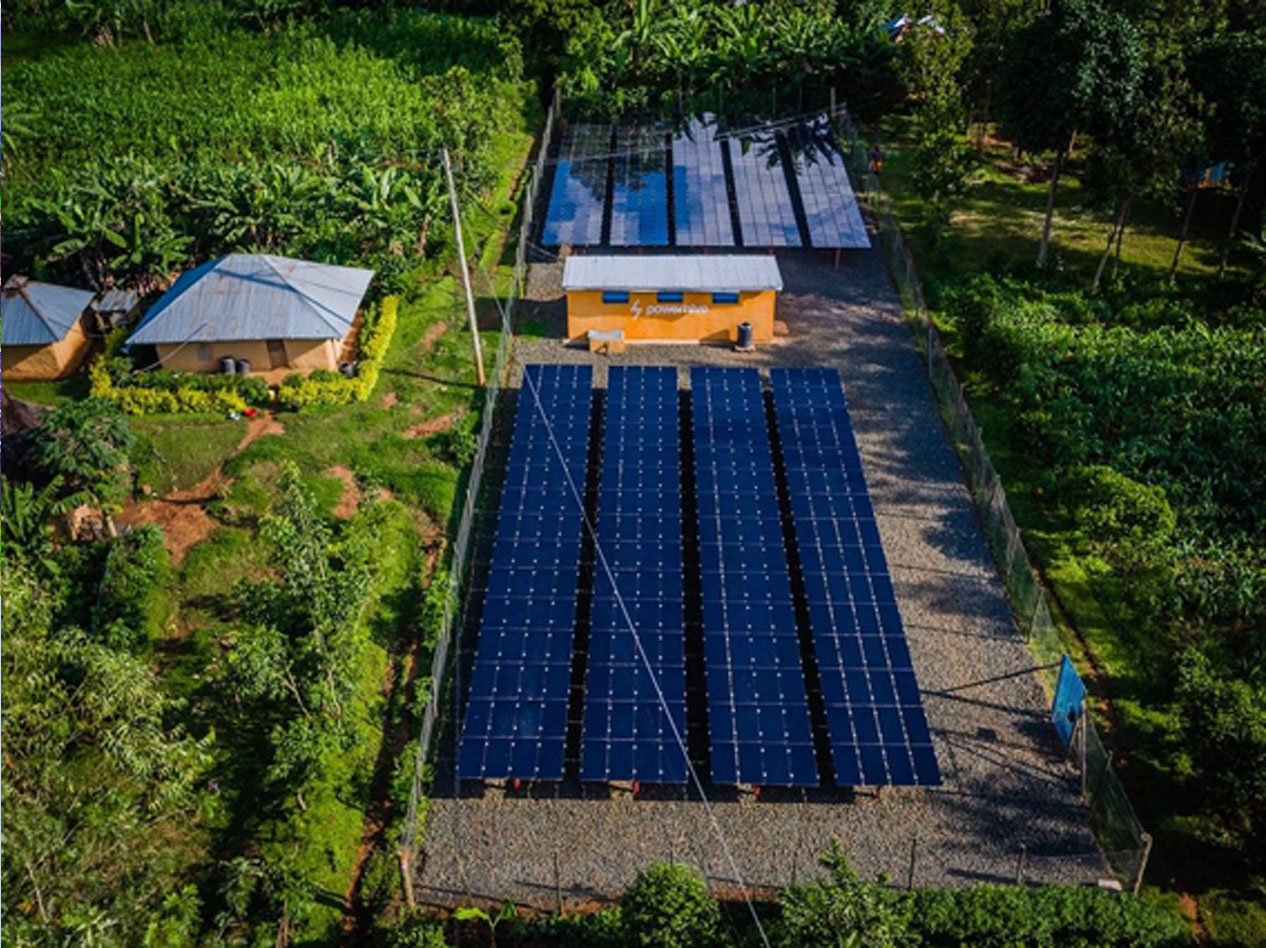
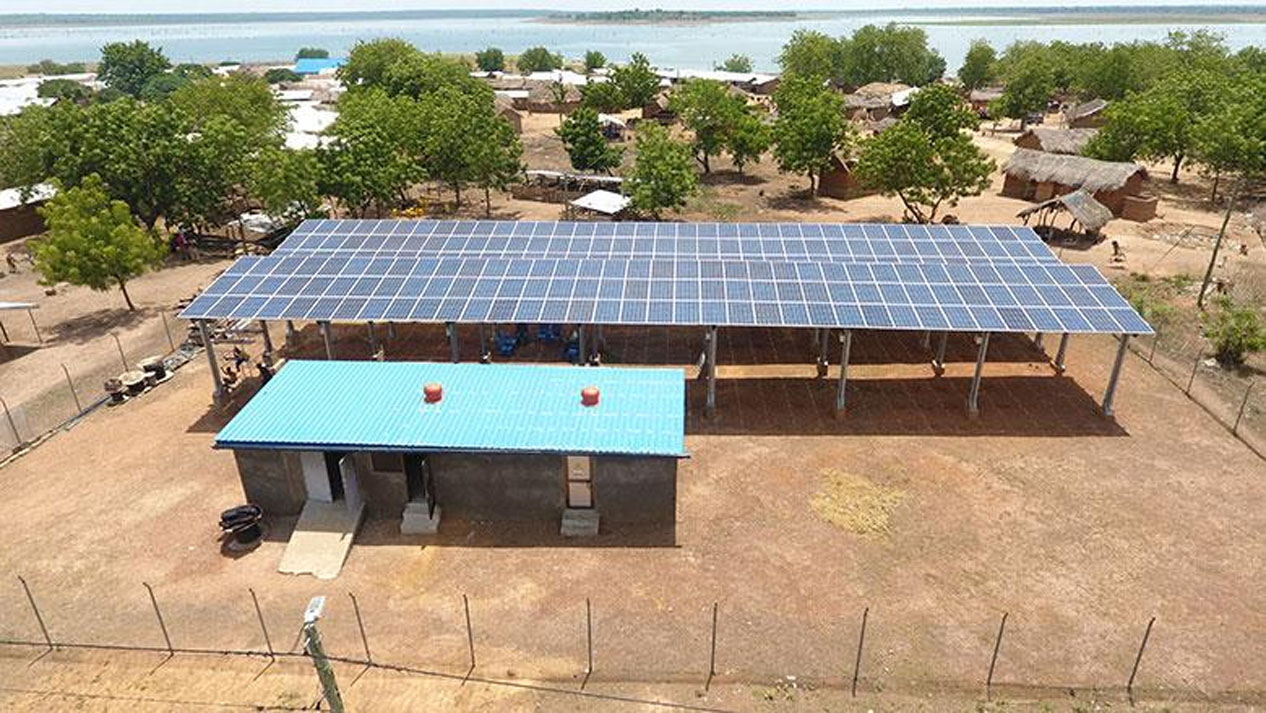
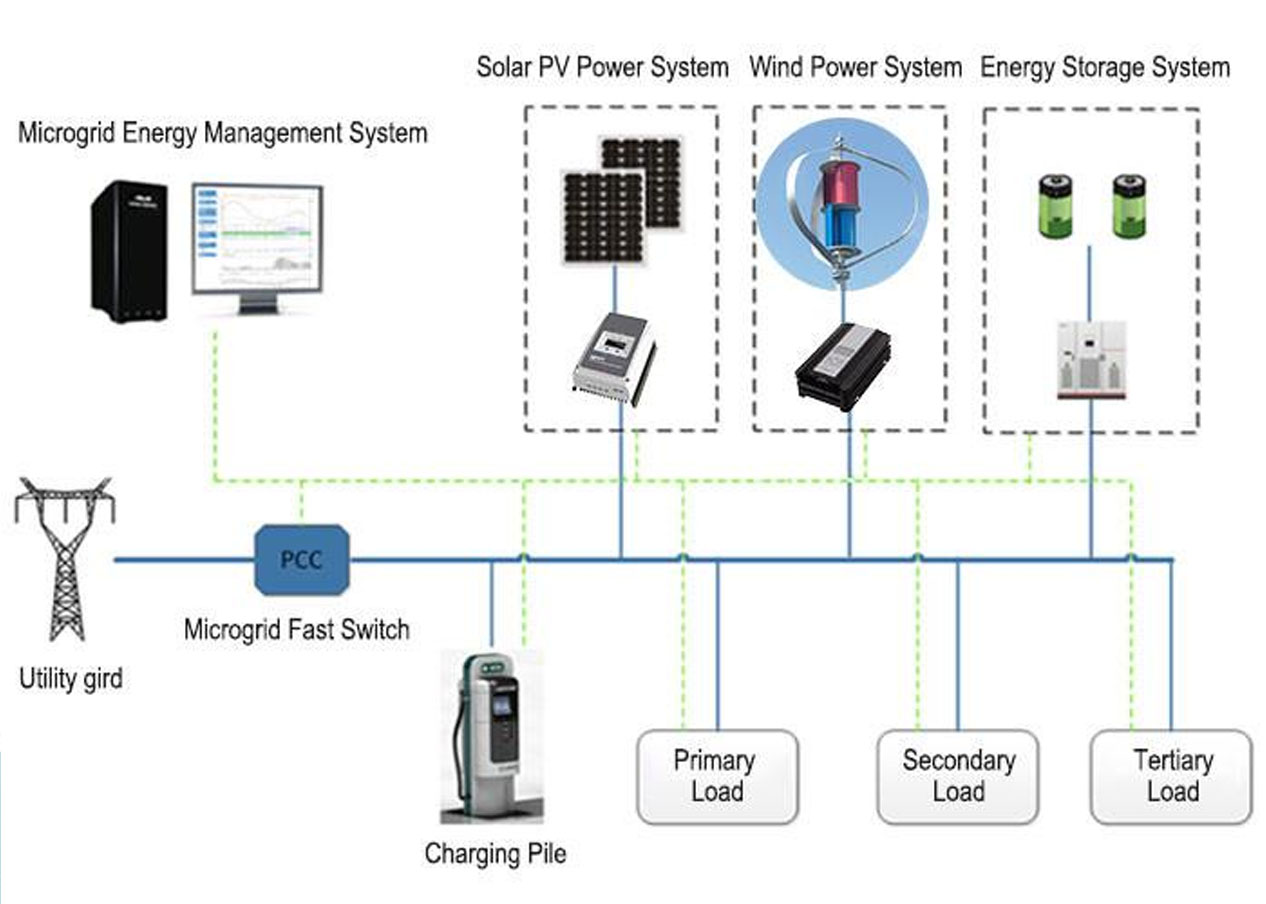
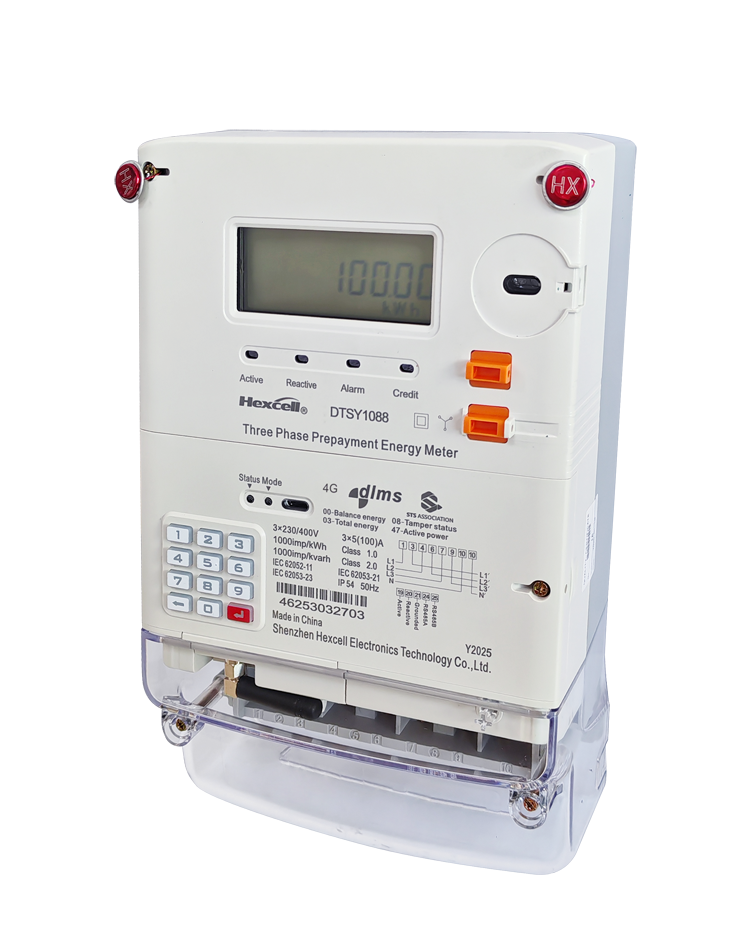
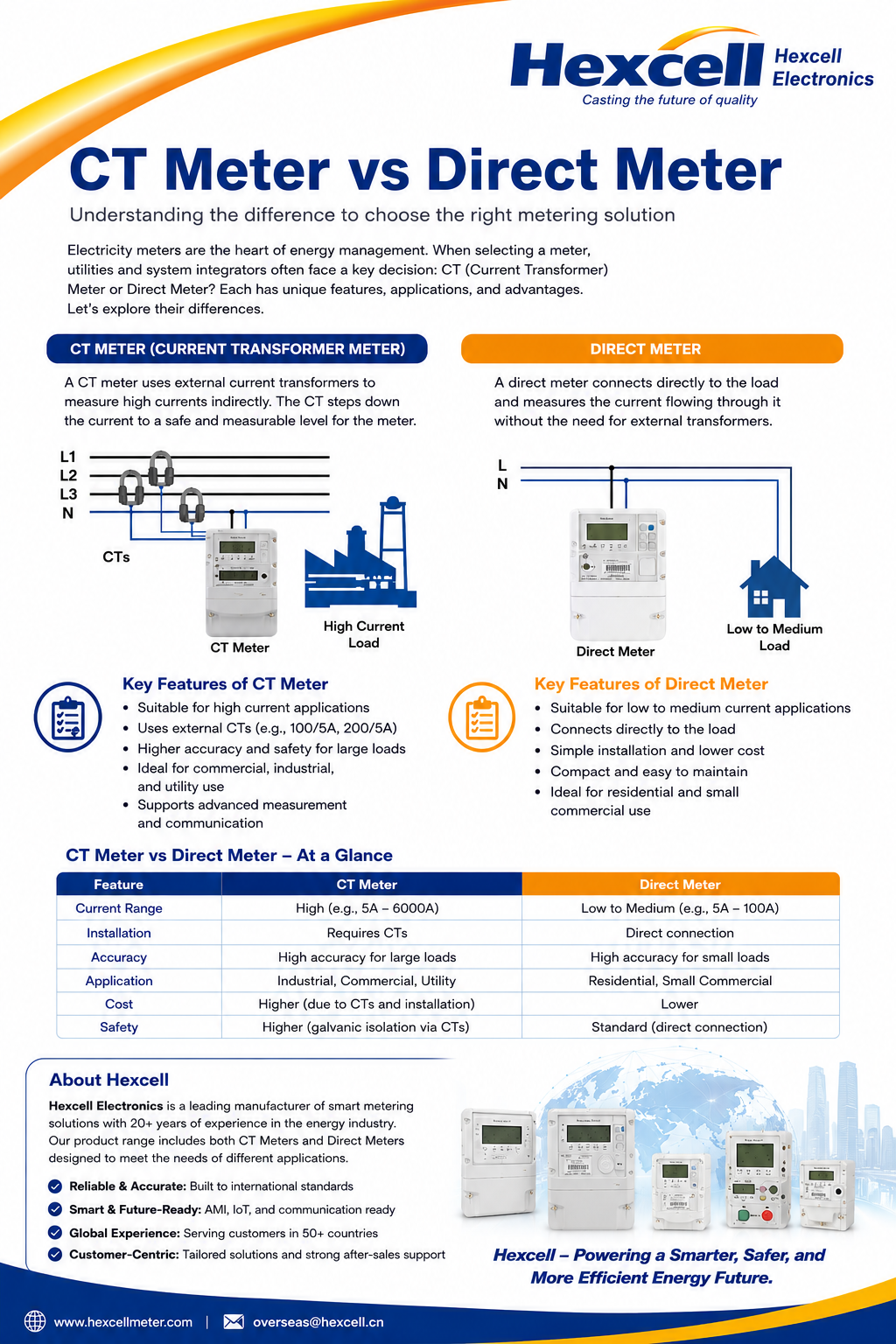
With Africa's rapid population growth and lagging power infrastructure, microgrids are becoming an important solution to address power shortages in remote areas. Microgrids typically combine solar, wind, and energy storage technologies, and are equipped with smart meters for metering and remote management, providing users with a stable and controllable power supply.
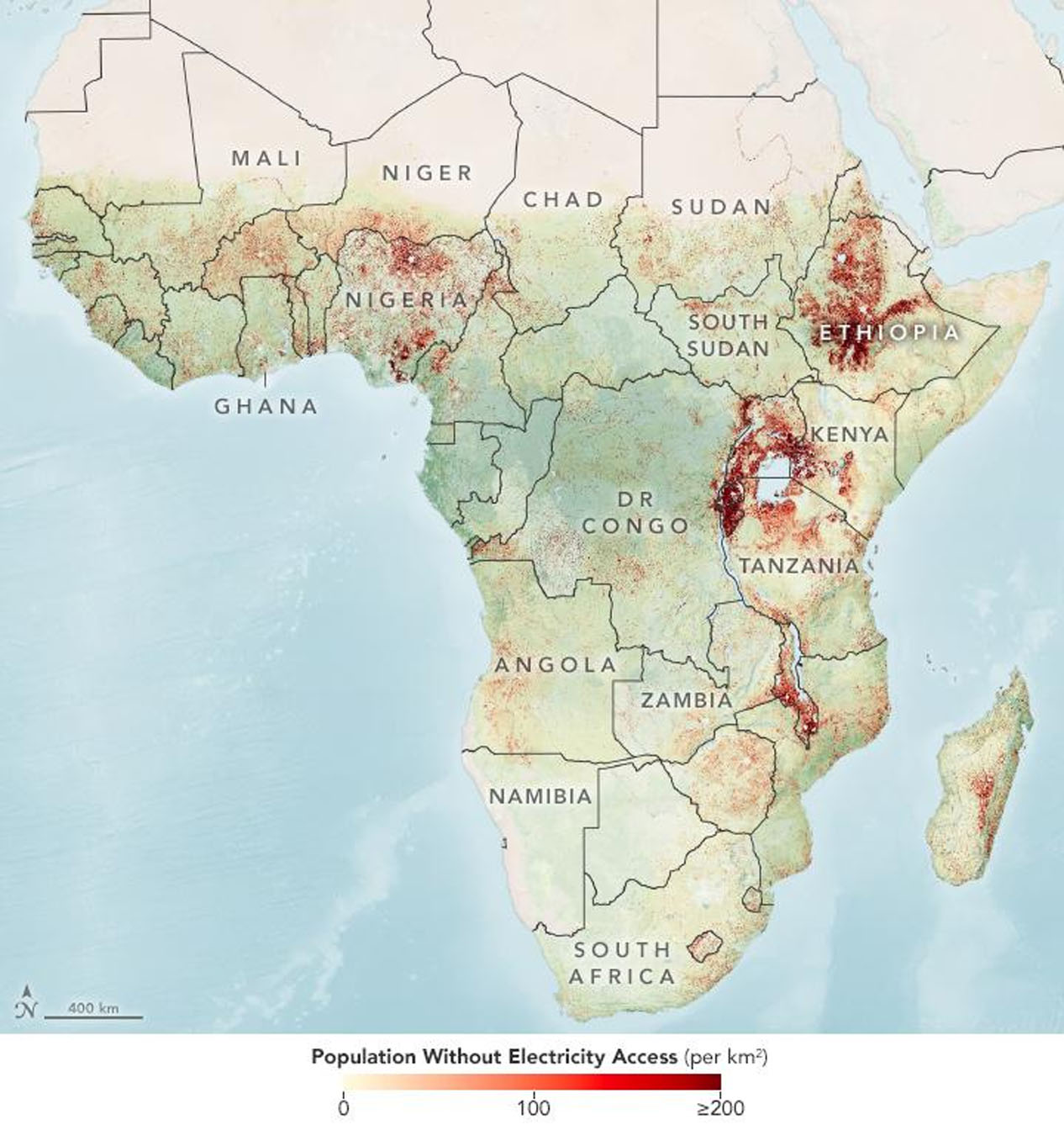
According to a report by the International Energy Agency (IEA), approximately 600 million people in Africa lack reliable electricity, with the power gap being particularly acute in remote rural and island areas, which presents a huge opportunity for the development of the microgrid and smart meter market.
1, Current Status of Microgrid Development in Africa
Africa is currently facing the dual pressures of power shortages and population growth:
Africa's population has exceeded 1.5 billion and continues to grow rapidly;
Hundreds of millions of people in sub-Saharan Africa still lack stable access to electricity;
Rural areas face high costs and long payback periods for grid coverage.
Nigeria: The government is advancing its power access program for remote areas, with microgrid projects growing at an annual rate of approximately 15%.
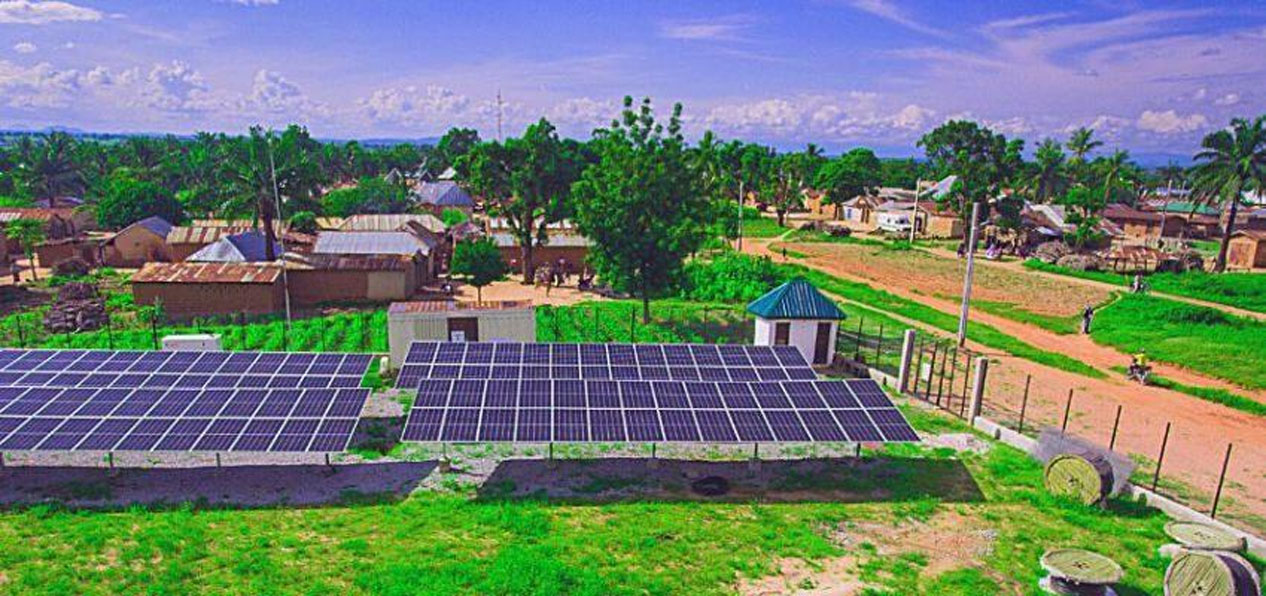
Tanzania and Kenya: Rural electrification rates are low, and microgrids are primarily constructed using a combination of solar power, energy storage, and smart meters.
South Africa: Demand for industrial and commercial microgrids is rising, mainly for electricity cost control and backup power.
The African microgrid market is projected to exceed $2 billion by 2030, with smart meter penetration also expected to increase rapidly.
2, Technology Trends
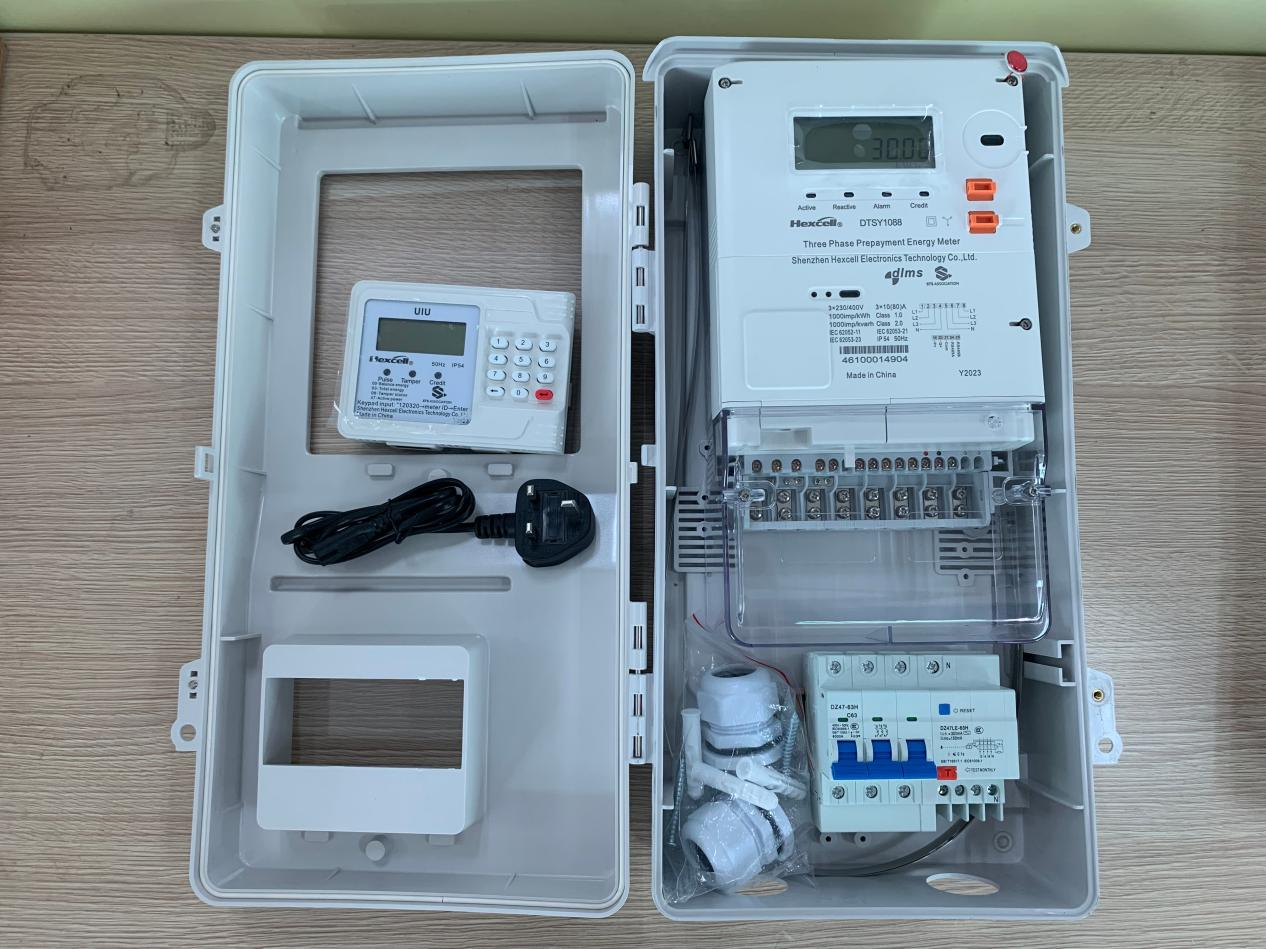
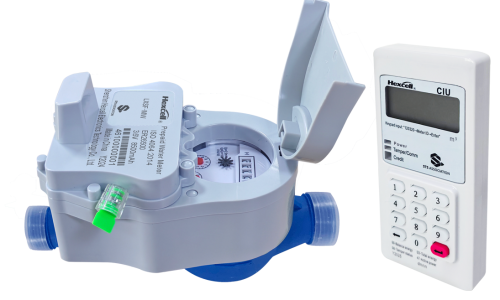
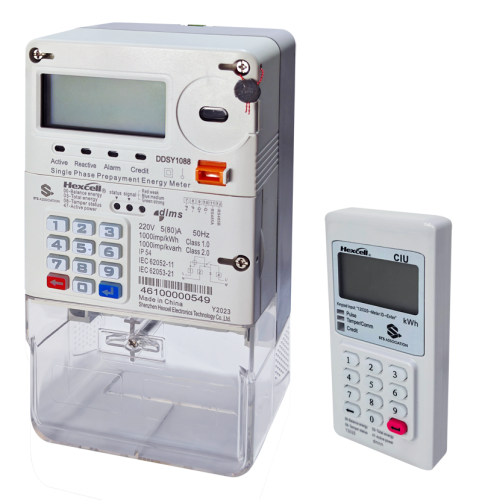
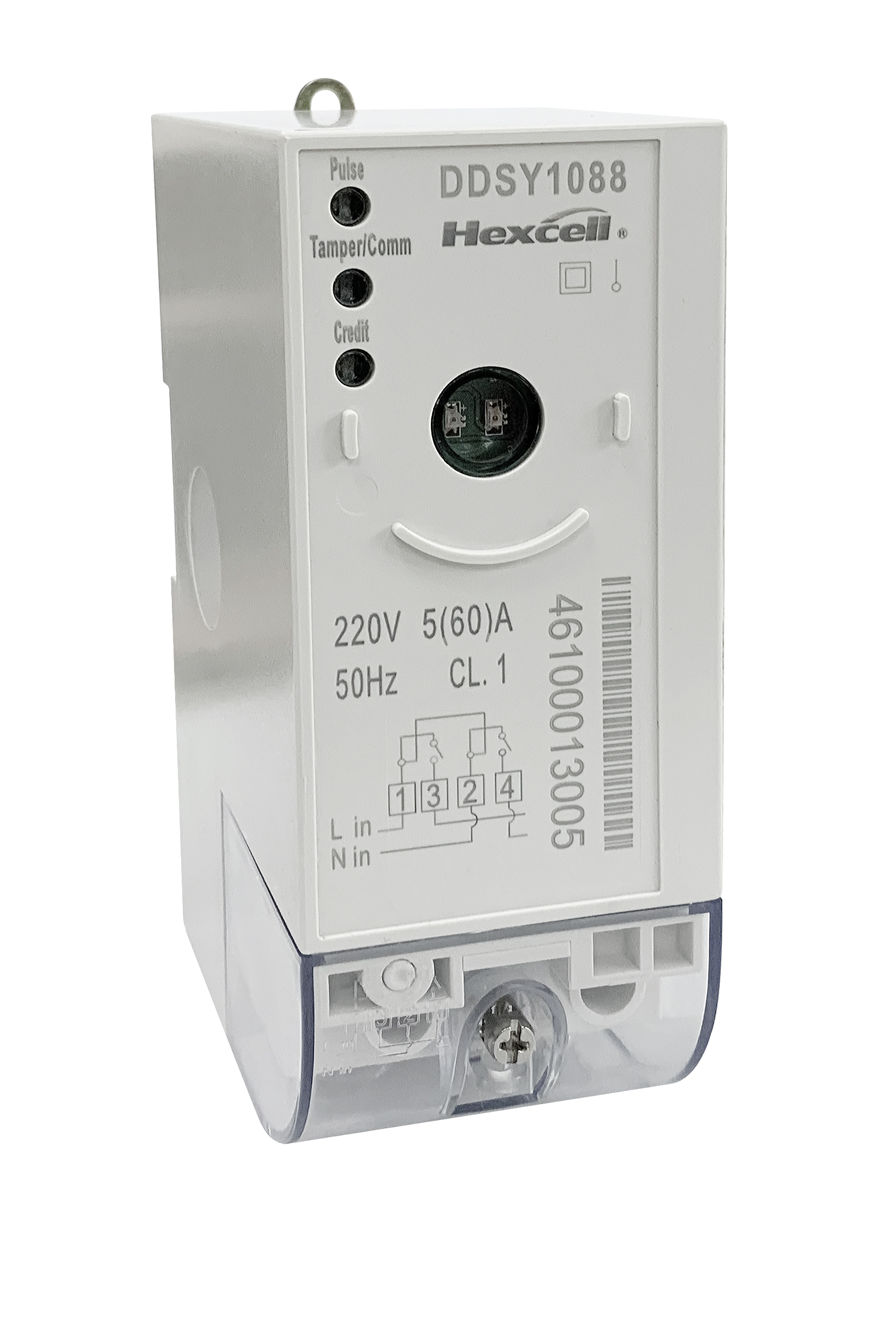
Prepaid Smart Meters (STS): Widely used by microgrid users for convenient billing management.
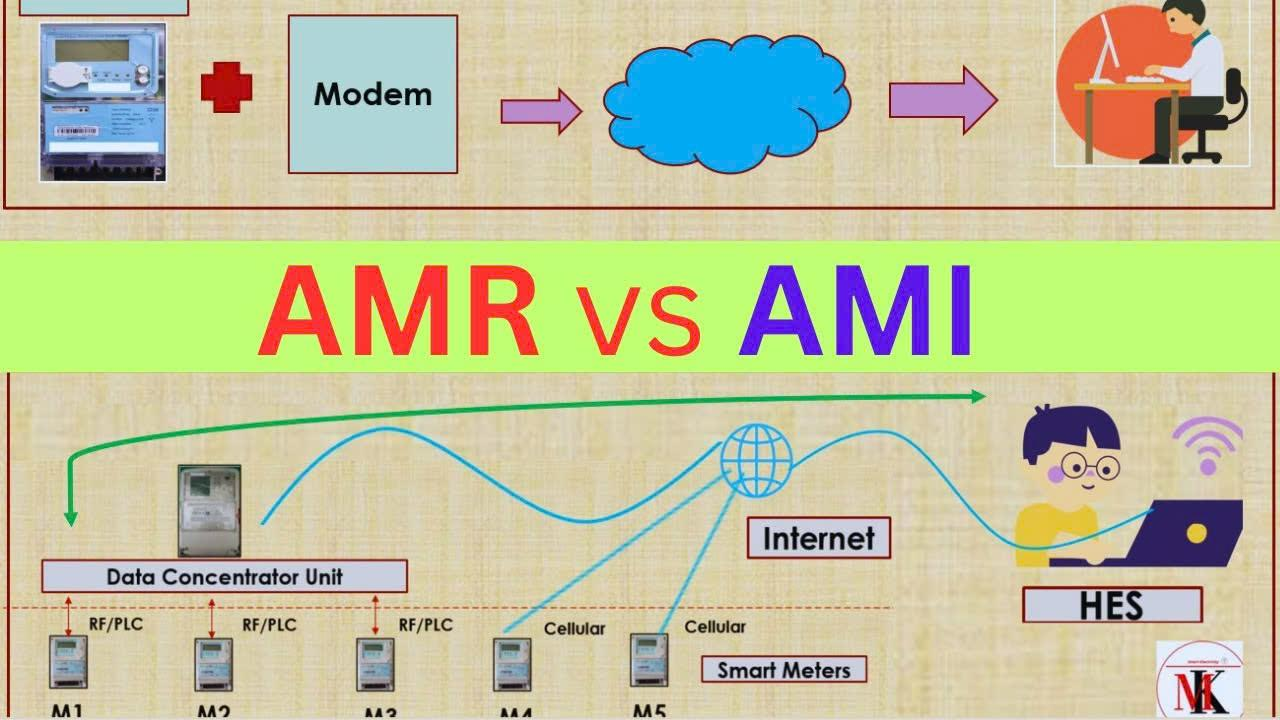
NB-IoT/LoRa Communication: Remote meter reading and monitoring become standard.
Energy Storage Integration: Microgrids are often paired with energy storage systems to achieve peak-valley electricity regulation.
Remote Operation and Maintenance: Cloud platforms manage microgrid and meter data, improving operation and maintenance efficiency.
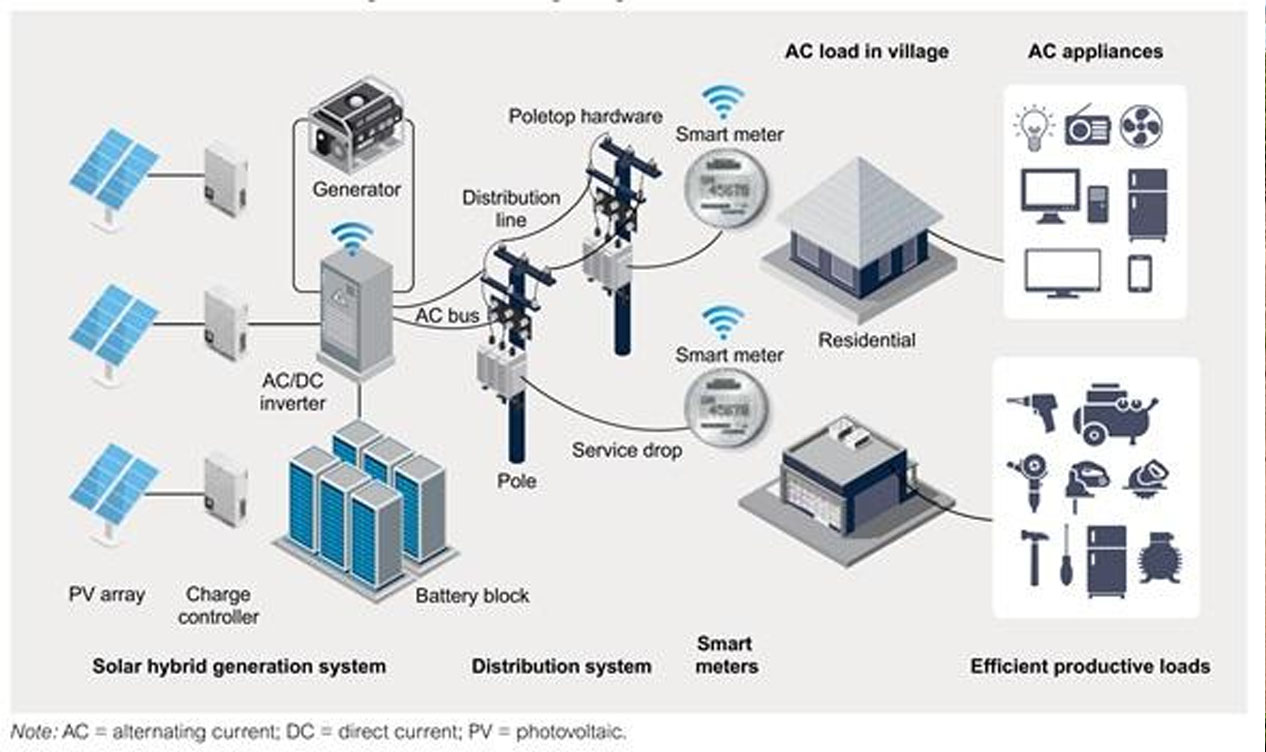
3, Microgrid system architecture
Power Generation:
Photovoltaic (Main Source)
Diesel Engine (Backup)
Wind Power (Some Regions)
Energy storage system
Lithium batteries (core growth driver)
Power distribution system
Low-voltage power distribution network
User side:
Prepaid Smart Meters (STS)
Split Meters (CIU)
Management System
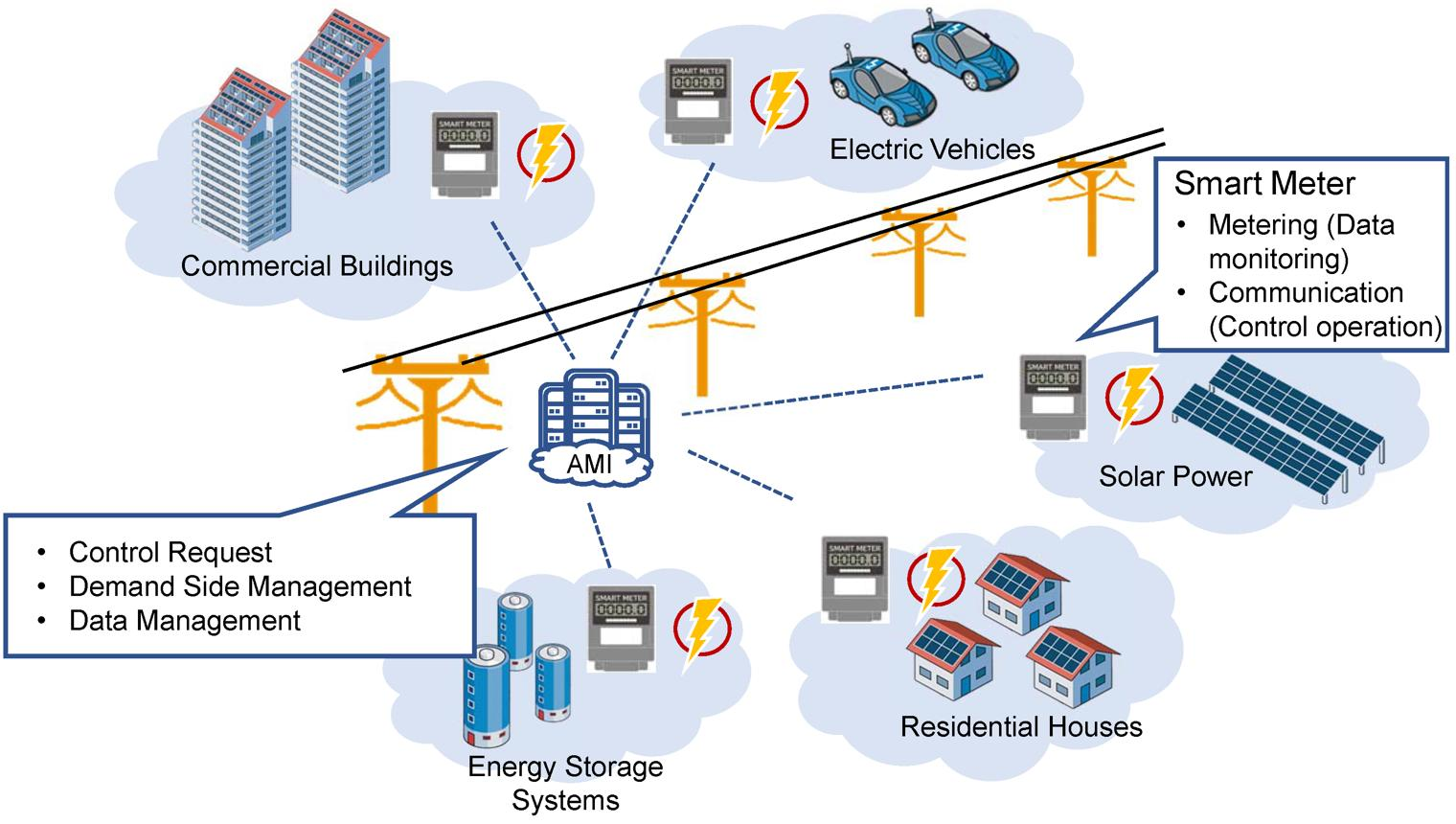
Cloud Platform (AMI/MDMS)
Remote Control and Billing
4, Market Trends in the Next 5 Years
African solar power installations to grow by 54% by 2025
Energy storage demand to surge simultaneously (ensuring nighttime power supply)
Microgrid projects will become one of the mainstream electrification methods
Microgrid market CAGR: 10%–15%+
Smart meter penetration rate: rapidly increasing (especially prepaid)
5, Opportunities and Challenges for Chinese Enterprises in the African Market
Product Export and ODM Cooperation: Chinese smart meter manufacturers have a cost advantage and can provide products such as STS prepaid meters, three-phase smart meters, and NB-IoT/LoRa meters.
Microgrid Integrated Solutions: Chinese companies can provide complete solutions integrating solar microgrids, energy storage, smart meters, and remote management systems to meet the electricity access needs of remote areas in Africa.
Logistics and Costs: In remote areas, transportation is inconvenient, resulting in higher supply chain costs. Businesses need to optimize warehousing and distribution.
Local Competition: With established suppliers in countries like South Africa and Kenya, local competition is fierce. Chinese companies need to emphasize cost advantages and differentiation in technical services.
6, Conclusion
The African microgrid and smart meter market is developing rapidly, offering vast opportunities for Chinese companies. Despite challenges related to policy, language, and logistics, Chinese companies have the potential to become key partners in the power infrastructure development of remote areas in Africa, thanks to their cost advantages, technological capabilities, and comprehensive solution offerings.