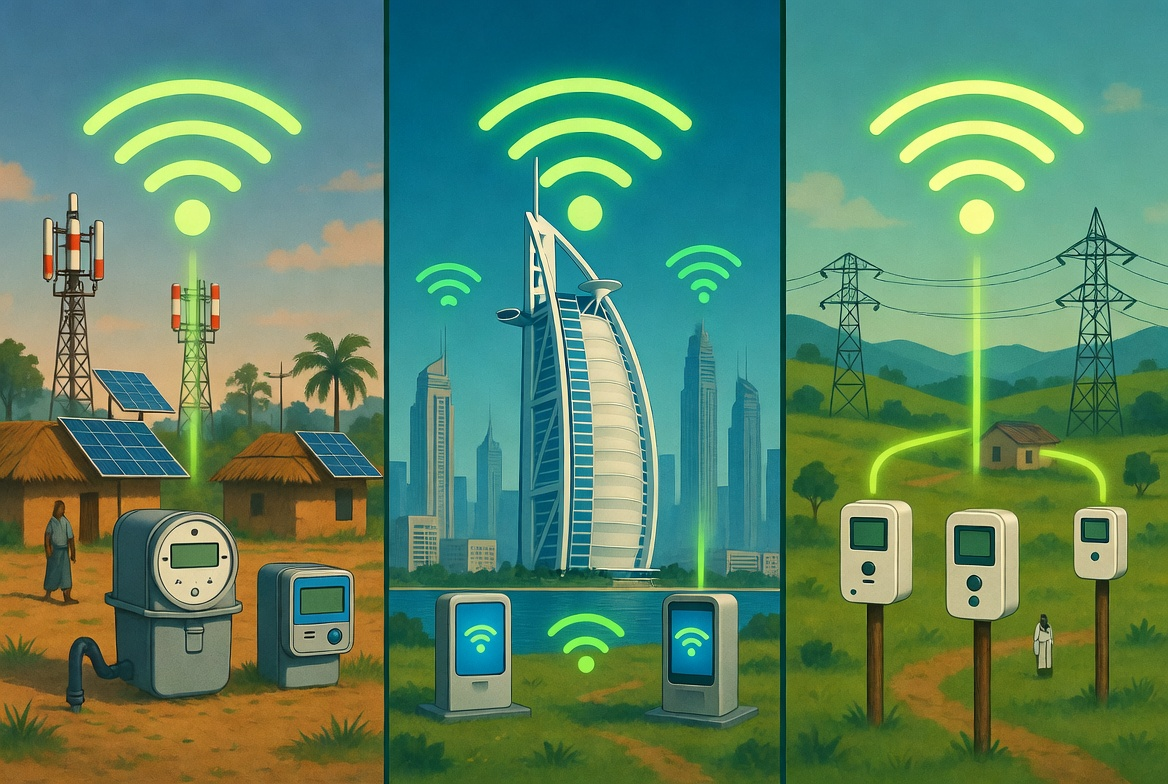
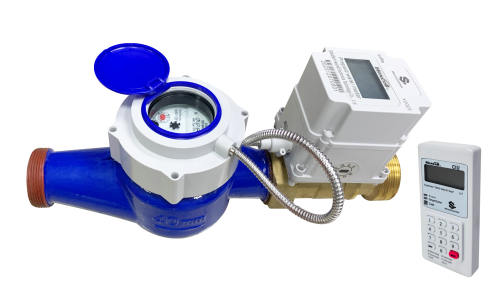
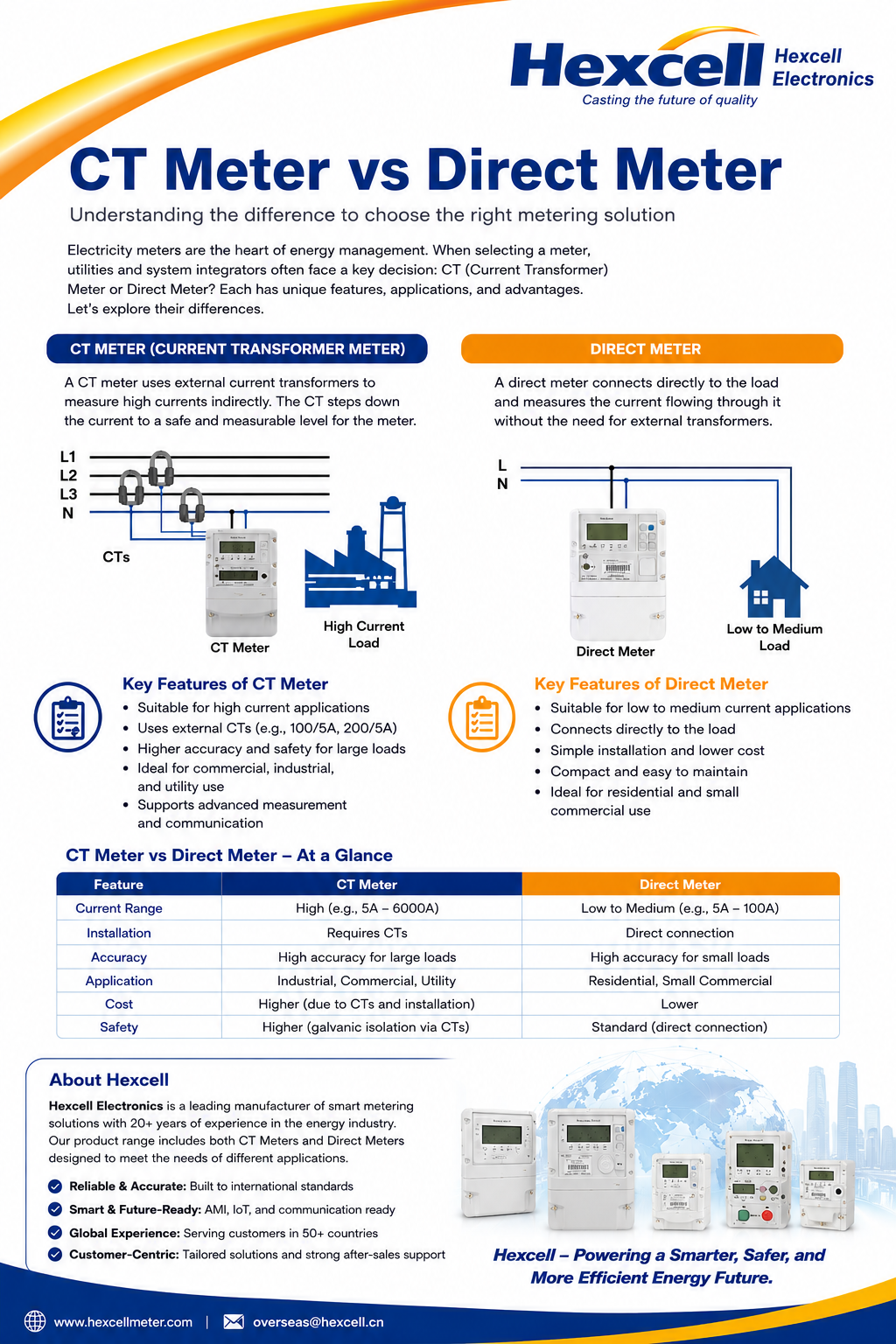
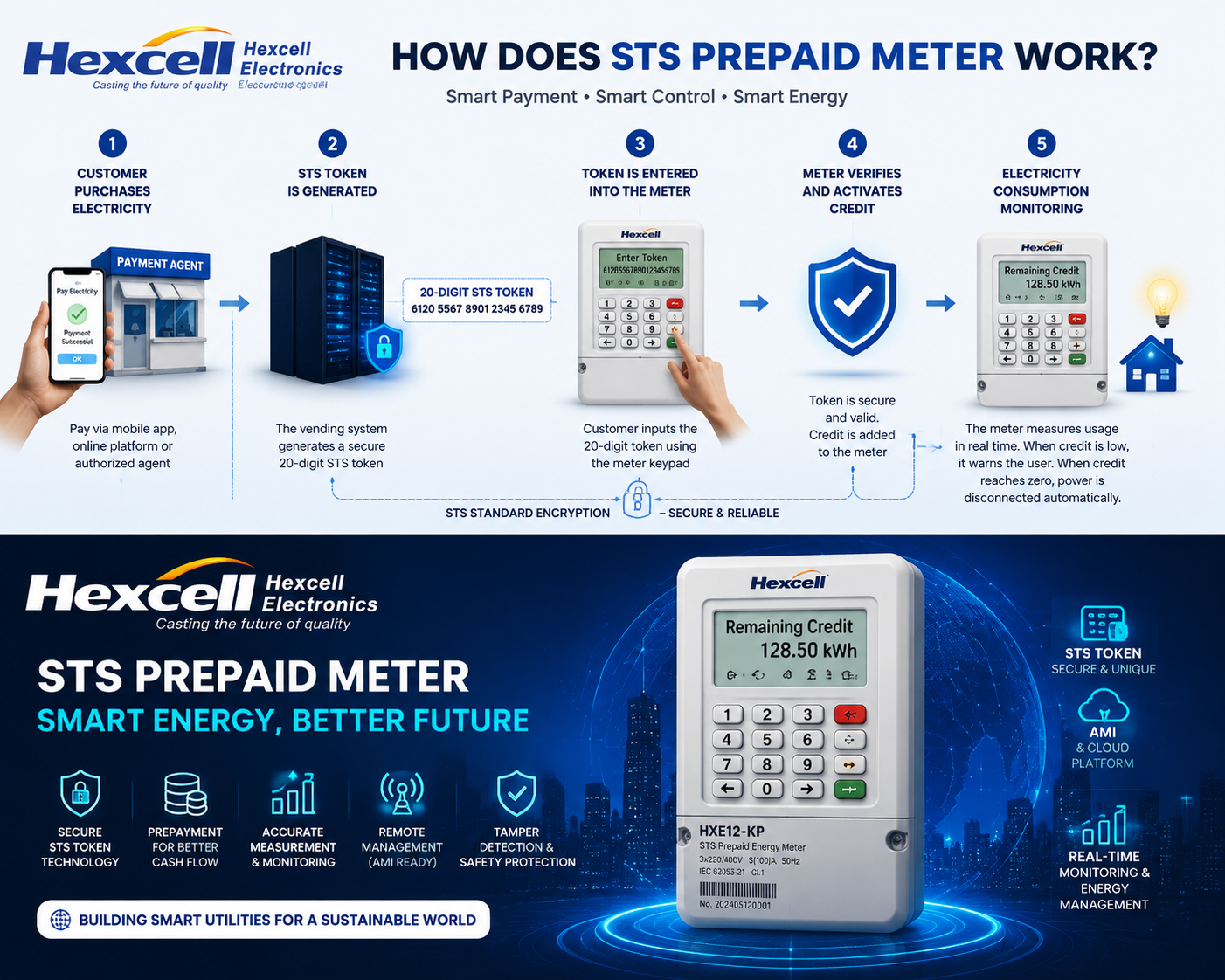
NB-IoT (Narrowband Internet of Things) has emerged as a pivotal technology for smart metering solutions, particularly in regions with diverse geographies, infrastructure challenges, and growing energy demands like Africa, the Middle East, and South America. As a 3GPP-standardized Low Power Wide Area Network (LPWAN) technology, NB-IoT builds on existing LTE infrastructure to deliver low-power, long-range, and cost-effective connectivity ideal for utility applications in electricity, water, and gas metering.
Market Applications in Africa, Middle East, and South America
These regions are experiencing accelerated adoption of smart meters driven by the need to modernize aging grids, reduce non-revenue water and energy losses (often 25-35% globally, higher in developing areas), combat theft, improve billing accuracy, and support smart city initiatives.
In Africa, particularly Sub-Saharan countries like South Africa, Nigeria, Kenya, and Ghana, utilities such as Eskom are piloting and rolling out smart metering programs to address frequent outages, theft, and inefficient billing. NB-IoT enables remote monitoring in rural and hard-to-reach areas, supporting leapfrogging to digital infrastructure. Water metering is a major focus due to scarcity and non-revenue losses. Nigeria has launched large-scale initiatives, such as a 1.4-million-meter program targeting theft hotspots.
The Middle East, especially GCC countries (Saudi Arabia, UAE, Oman, etc.), leverages Vision 2030-style programs for smart cities and renewable integration. Dubai Electricity and Water Authority (DEWA) has invested heavily in smart grid upgrades, including water meters to combat scarcity and desalination costs. NB-IoT supports high-density urban deployments and integration with broader digital twins for resource management.
In South America (Latin America), Brazil’s ANEEL mandates drive aggressive rollouts for consumers above certain consumption thresholds, with Chile, Colombia, and Mexico following suit for grid modernization. Applications extend to electricity for renewable integration and water/gas for efficiency in urban and remote areas.
Market data underscores strong growth: The Middle East and Africa region shows one of the highest CAGRs (around 17.9% projected in some analyses), while Latin America holds a growing share amid regulatory pushes. Global NB-IoT smart meter markets are expanding rapidly, with utilities as the dominant end-users.
Technical Aspects of NB-IoT Smart Metering
NB-IoT excels in smart metering due to its design for massive IoT connectivity:
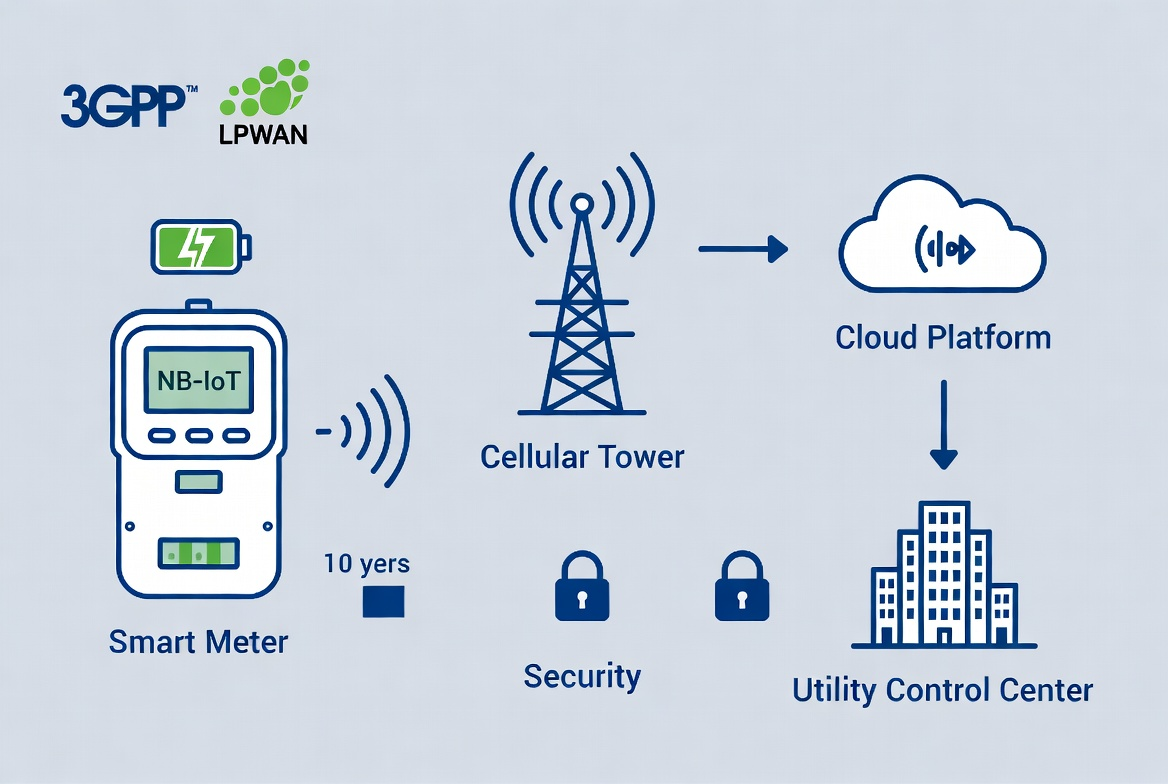
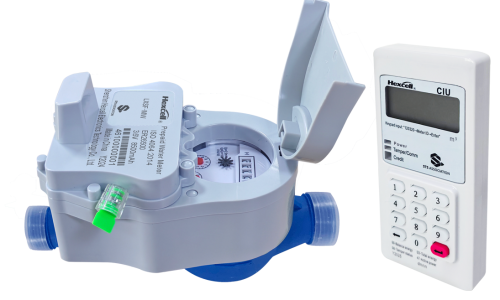
Low Power Consumption: Devices achieve battery lives of up to 10+ years, crucial for battery-powered water and gas meters. It uses Power Saving Mode (PSM) and extended Discontinuous Reception (eDRX) for infrequent transmissions.
Deep Coverage and Penetration: Operates in narrow 180 kHz bandwidth with repetitions and lower frequencies, providing excellent indoor and rural coverage—ideal for basements, dense urban settings, or remote African villages. It offers superior penetration compared to some alternatives.
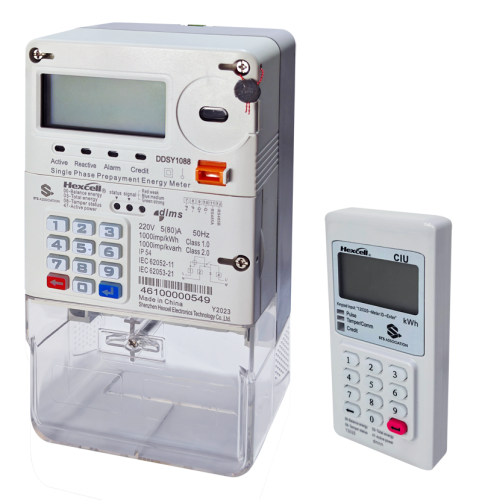
Reliability and Security: Leverages licensed spectrum for operator-grade security, high reliability, and coexistence with LTE/5G. Supports features like tamper detection, load profiling, and outage notifications via edge capabilities.
Deployment Modes: In-band, guard-band, or standalone, allowing flexibility on existing networks. Data rates suit metering (e.g., periodic readings, alarms) with low latency for many use cases.
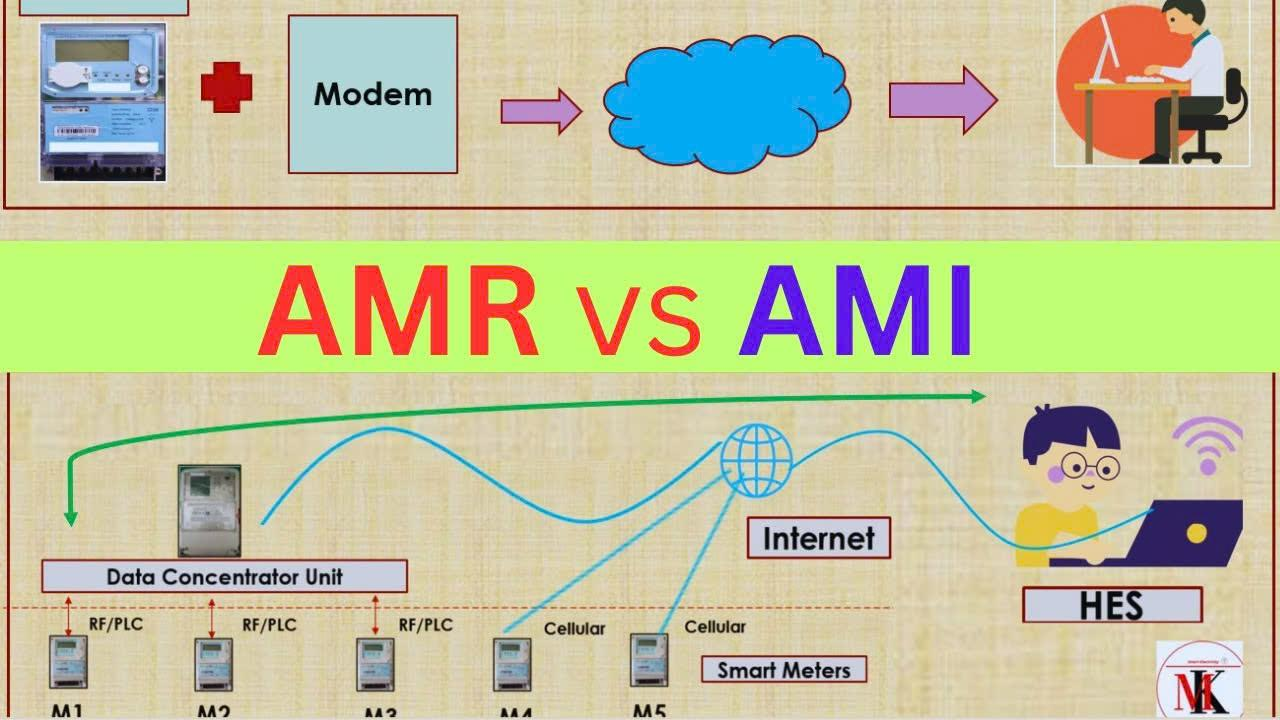
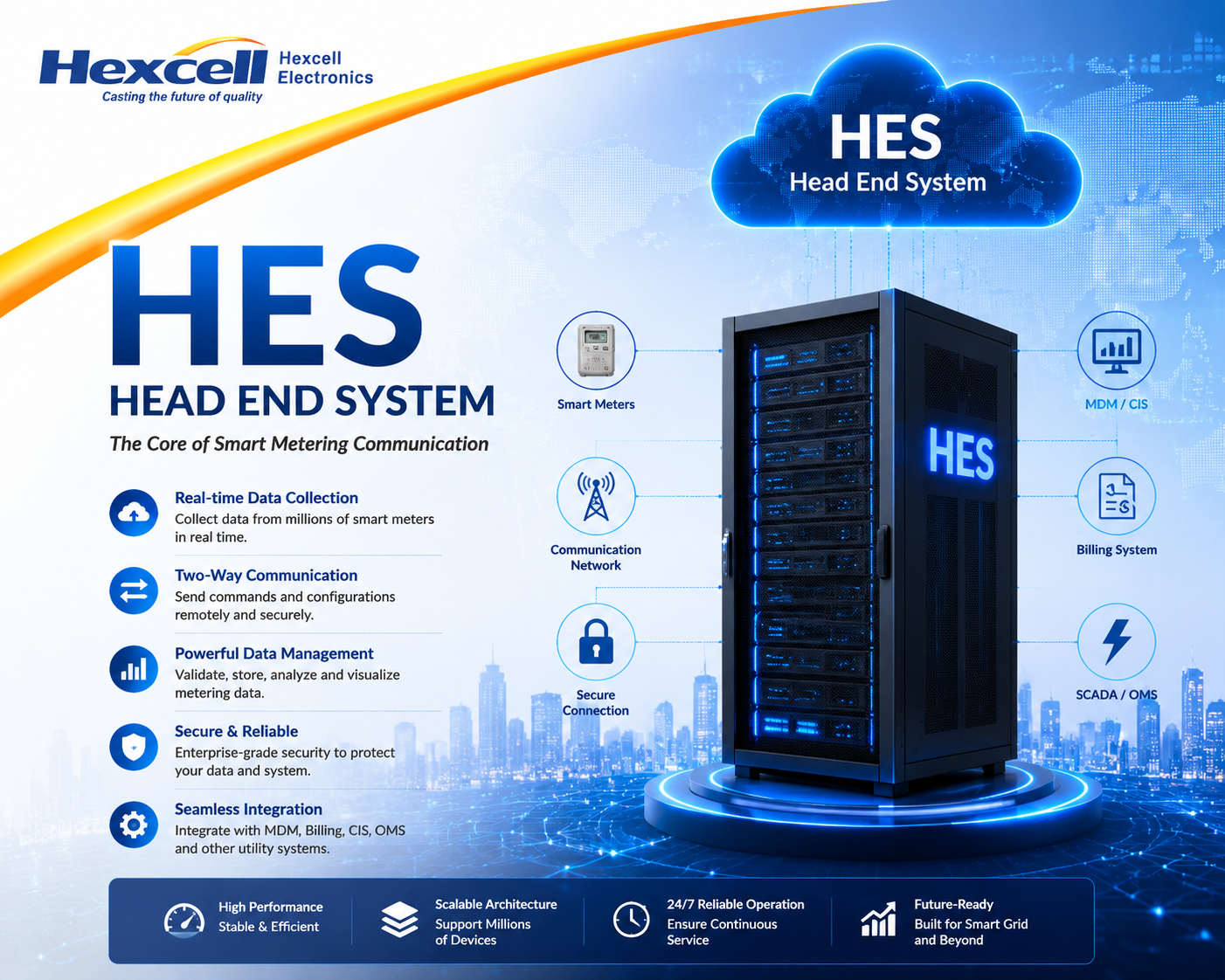
Integration typically involves smart meters with NB-IoT modules communicating to utility head-end systems via cloud platforms, enabling real-time analytics, demand response, and automated billing.
Challenges Faced in These Regions
Despite promise, deployment encounters hurdles:
Infrastructure and Coverage Gaps: Rural areas in Africa and parts of South America have limited cellular coverage; power supply instability affects network reliability.
High Upfront Costs and Financing: Device installation, integration with legacy systems, and CAPEX constraints burden utilities, especially in Sub-Saharan Africa.
Cybersecurity and Skills: Skill gaps in utilities heighten vulnerability risks; interoperability with varied systems poses issues.
Regulatory and Local Factors: Certification requirements, spectrum availability, and theft-prone environments complicate rollouts (e.g., Brazil's procurement challenges).
Environmental and Operational: Extreme climates, vandalism, and variable network quality in developing markets.
Solutions and the Path Forward
NB-IoT addresses many issues inherently while paired with targeted strategies:
Hybrid and Phased Deployments: Combine NB-IoT with RF mesh, PLC, or satellite for comprehensive coverage. Leverage existing mobile operator networks (e.g., Vodacom in South Africa, TIM Brazil) for rapid rollout.
Cost Optimization: Standardized 3GPP tech reduces long-term TCO through longevity, remote management (firmware updates, diagnostics), and reduced truck rolls. Public-private partnerships and international financing aid CAPEX.
Security Enhancements: Use built-in encryption, authentication, and edge computing for anomaly/tamper detection. Capacity building programs close skills gaps.
Regulatory Support and Pilots: Mandates (e.g., Brazil, GCC) and test centers (e.g., Morocco’s smart-grid lab) accelerate adoption. Focus on high-ROI areas like theft reduction and water loss minimization yields quick wins.
Ecosystem Integration: Pair with AI/analytics for predictive maintenance, renewable integration, and smart city platforms. 5G evolution ensures future-proofing.
In conclusion, NB-IoT smart meter solutions offer transformative potential for utilities in Africa, the Middle East, and South America by enhancing efficiency, sustainability, and service quality. While challenges like cost and infrastructure persist, technological advantages combined with supportive policies and innovative financing position these regions for significant growth. As deployments scale, they will contribute to more resilient energy and water systems, supporting broader development goals.