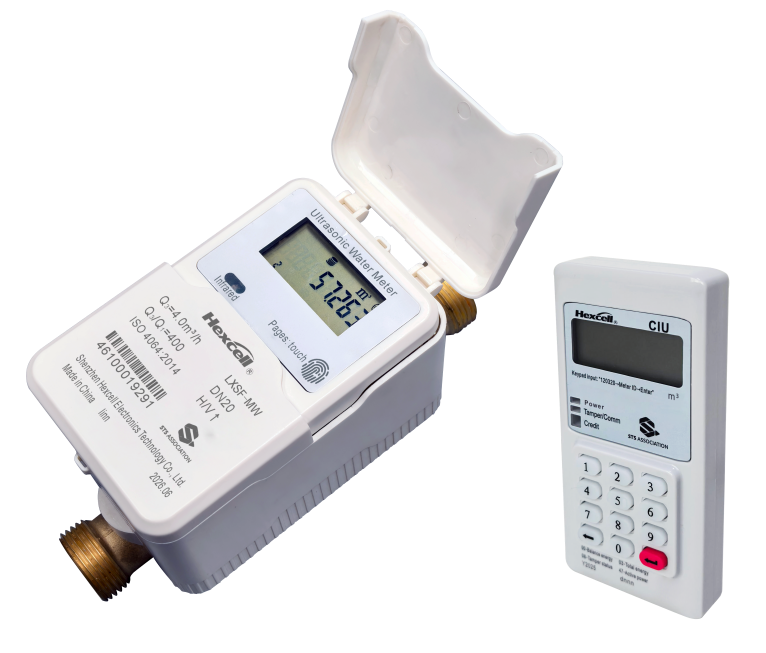
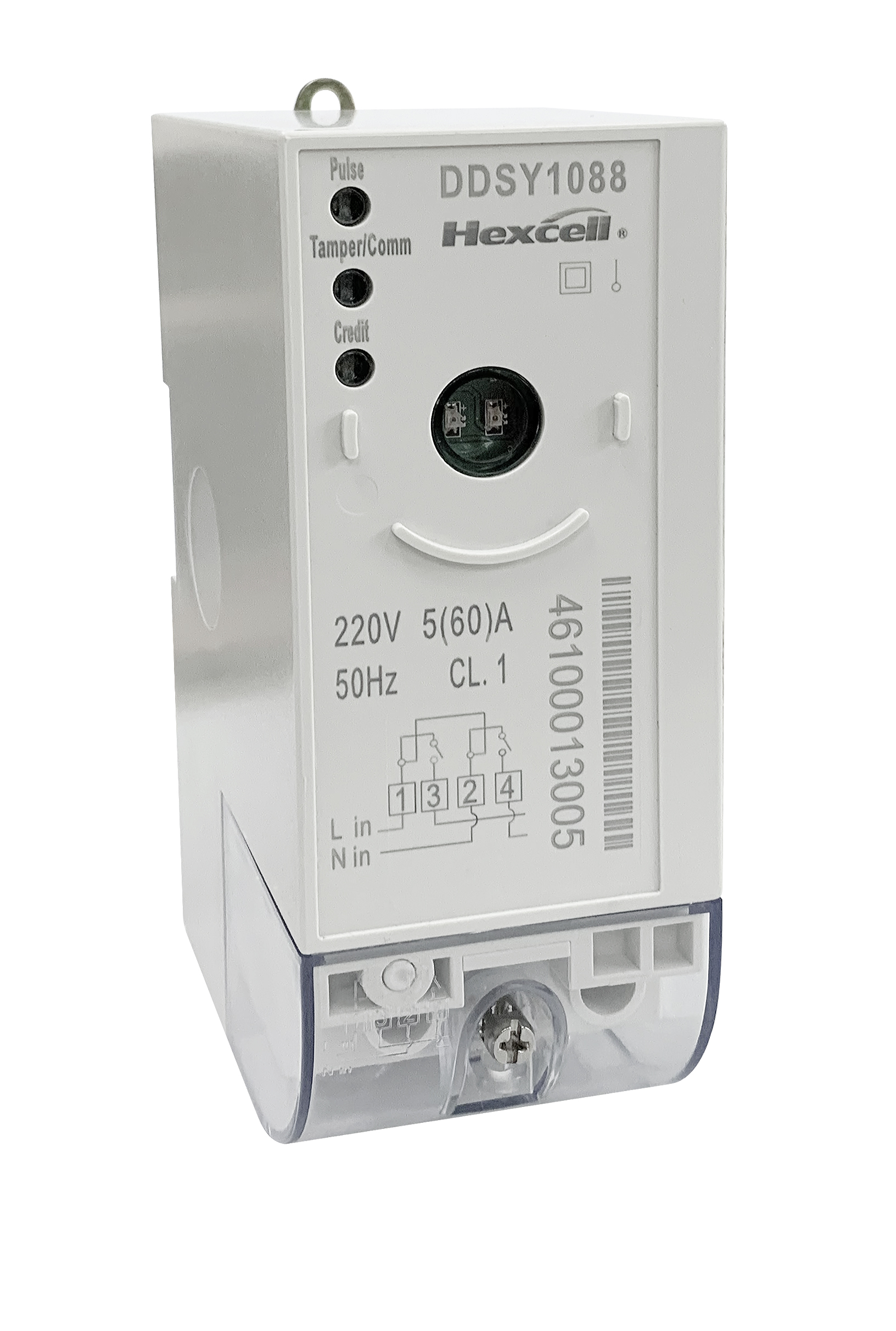
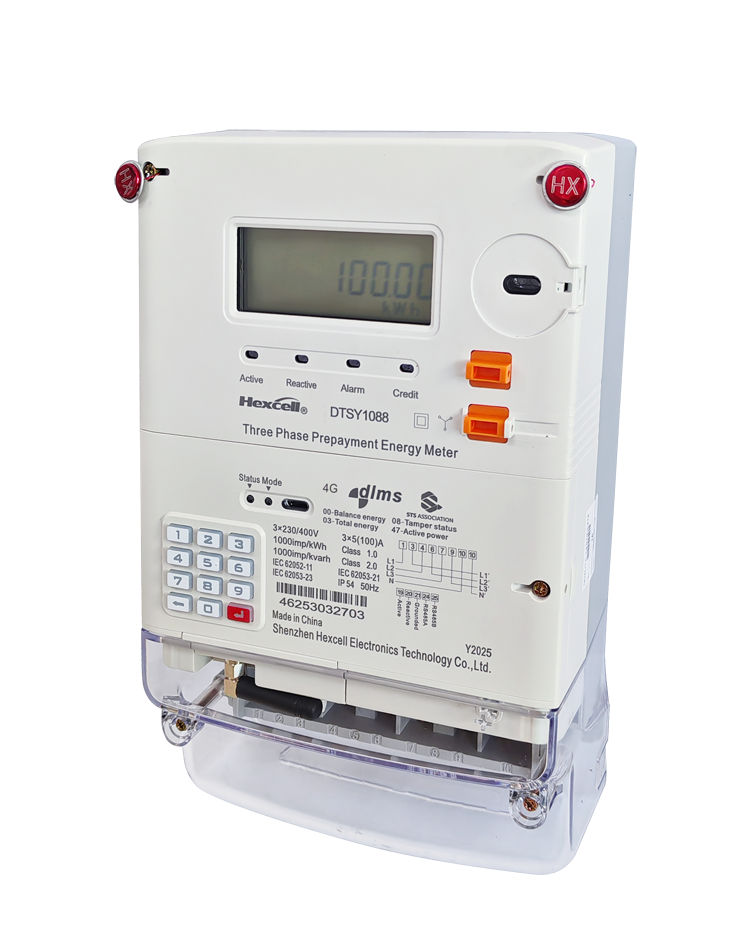
Smart meters are transforming how businesses and households manage their energy consumption, offering real-time data insights that traditional analog devices cannot provide. These advanced instruments measure electricity usage with exceptional precision and transmit the data wirelessly to utility providers, enabling accurate billing and smarter energy planning. As the global push for greater energy efficiency accelerates, the demand for reliable metering technology has reached an all-time high, particularly in the commercial and industrial sectors, where every kilowatt-hour counts. However, the rapid adoption of smart meters has also given rise to various misconceptions. These misunderstandings can confuse potential buyers, delay implementation, and prevent organizations from fully leveraging the value of modern digital infrastructure. In this article, we will debunk common myths surrounding metering technology and replace them with verifiable, science-based facts, empowering you to make decisions with confidence. By the end of this piece, you will have a clear understanding of why modern smart meters represent a safe, precise, and transformative investment for your property or facility.
Myth #1: Energy Meters Are Inaccurate
Many people harbor concerns that digital and smart electricity meters may have accuracy issues, potentially leading to systematic overcharging or undercharging, which can erode trust in their electricity bills. In reality, however, modern smart metering devices offer far greater accuracy than the electromechanical meters they replace; the latter often lose precision over decades due to mechanical wear, friction, and component drift. Every electricity meter manufactured by Shenzhen Hexcell undergoes factory calibration against traceable reference standards and passes multiple independent verification steps before shipment. Our products comply with rigorous international specifications, including IEC and ANSI standards, which mandate a maximum permissible error of well under 1% across the entire measurement range. Independent testing laboratories have confirmed that our devices consistently meet or exceed these tolerance requirements under real-world operating conditions, including extreme temperatures and load fluctuations. For utility companies and businesses, this translates to more transparent and reliable billing, fewer disputes, and a stronger foundation of trust between energy providers and their customers.
Myth #2: Energy Meters Emit Harmful Radiation
Consumers are often concerned that wireless smart meters emit harmful radiation, fearing that long-term exposure could pose health risks, particularly to children, the elderly, and individuals with implanted medical devices. While such concerns are understandable given the frequent, sensationalized media reports regarding radiofrequency (RF) radiation, they are not supported by the scientific evidence accumulated through decades of independent research. Smart meters transmit data using low-power radio signals, which are designed to comply with rigorous international safety standards established by authoritative bodies such as the World Health Organization and the U.S. Federal Communications Commission. The transmission power of a typical smart meter is extremely low, generally in the milliwatt range, and transmissions occur only briefly a few times a day, rather than continuously. Studies conducted by independent health organizations worldwide consistently show no causal link between the radio emissions from smart meters and adverse health outcomes, such as cancer or neurological disorders. In fact, the potential impact of a smart meter on one’s daily life is far smaller than that of holding a smartphone against one’s head for just ten minutes, when compared in terms of cumulative RF radiation exposure.
It is worth noting that the operating frequency and power levels of smart meters differ significantly from those of high-intensity equipment such as microwave ovens, radar systems, or cell towers located near residential areas. The electromagnetic output of modern smart meters is comparable to that of common household devices like Wi-Fi routers, which have been in use for over two decades without any credible health risks being identified by the scientific community. International health organizations, including the World Health Organization, have reviewed thousands of peer-reviewed studies and concluded that low-intensity radiofrequency radiation, within established limits, poses no proven risk to human health. For users who remain concerned, many regions offer the option to install low-frequency meters, and some manufacturers provide "opt-out" programs; however, from a medical perspective, such measures are generally unnecessary. In summary, the radiation emitted by the latest smart metering devices is both negligible and transient, falling well below all established safety thresholds worldwide. Consequently, consumers can rest assured that having these devices installed in their homes or workplaces poses no threat to their own health or that of their families.
Myth #3: Smart Meters Pose A Risk To Data Security
Data security is another major concern; some fear that smart meters could serve as a convenient gateway for hackers to steal private information, tamper with energy records, or even remotely manipulate the power grid. In reality, however, modern smart metering systems employ enterprise-grade encryption and cybersecurity protocols. These provide protection at every stage, data transmission, storage, and processing, making unauthorized access extremely difficult. Hexcell integrates advanced security features directly into the smart meter firmware, including two-way authentication, secure key exchange, tamper-detection mechanisms, and a "secure boot" process that prevents the injection of malicious code. Data transmitted between the meter and the utility company is encrypted using algorithms that meet or even exceed banking industry standards; this means that even if a signal were intercepted, it could not be read without the corresponding encryption key. Furthermore, the communication networks used by utility companies are protected by multi-layered firewalls and intrusion-detection systems, and are monitored 24/7 by specialized security operations teams. The level of protection afforded to smart meter data is fully comparable to that used for online banking and financial exchanges, platforms through which billions of people securely manage their funds every single day.
Beyond technical safeguards, the regulatory frameworks in most developed countries mandate that energy companies implement rigorous data protection measures, establishing a legal foundation for the security of consumer information. These regulations specify who may access meter data, how it may be used, how long it must be retained, and how it should be destroyed; they also impose severe financial and legal penalties for any violations. At Hexcell, compliance is a core priority in our product design, ensuring that our metering solutions meet the privacy and cybersecurity requirements of every market we serve, from Europe and North America to the Asia-Pacific region and Africa. We regularly release firmware updates to address newly discovered vulnerabilities, and our security engineering team actively participates in global threat intelligence networks to counter emerging attack vectors. Even in the highly unlikely event of a security breach, the data stored on a smart meter is limited to electricity consumption readings; it does not include personal financial information, account credentials, or any other sensitive identifying data. Consequently, consumers can rest assured that their energy usage data is protected with the same level of rigor applied to banking information and medical records.
Myth #4: Electricity Meters Are A Fire Fazard
Some property owners are concerned that the electronic components, circuit boards, and wireless modules within smart meters could pose a significant fire hazard, particularly when installed inside closets or wall enclosures. This concern often stems from occasional media reports regarding meter-related incidents; however, such incidents are typically the result of improper installation, faulty wiring, or the use of substandard, counterfeit products, rather than issues with the meters themselves. Reputable manufacturers like Hexcell ensure their products meet rigorous safety certification standards, such as UL and CE, covering everything from material flame retardancy and thermal management to electrical insulation and short-circuit protection. Our smart meter solutions feature built-in surge and overcurrent protection, automatically disconnecting the circuit if dangerous voltage or current levels are detected. The internal design incorporates flame-retardant materials and maintains a safe thermal margin, even during continuous, full-load operation, ensuring that the device’s temperature never reaches a level capable of igniting surrounding surfaces. When installed by certified professionals in accordance with manufacturer guidelines and local electrical codes, smart meters are as safe as any other certified electrical appliance found in your home or commercial building.
It is worth noting that well-designed smart meters actually pose a lower fire risk than traditional electromechanical meters in several key respects. Smart meters are equipped with advanced monitoring circuitry capable of detecting anomalies, such as electrical arcing, overheating, or voltage spikes, and can trigger automatic shut-off functions that traditional meters lack. If an issue is detected, the utility company can remotely disconnect the smart meter, preventing potential risks from escalating before a technician even arrives on-site; this represents a significant safety advantage. Furthermore, the anti-tamper features of modern smart meters help identify loose connections, unauthorized modifications, or damaged terminals, all of which can cause electrical resistance and heat generation within the meter. The global safety record for smart meter installations is excellent; when handled by qualified electricians following proper installation procedures, the incidence of accidents is virtually negligible. Choosing certified meters from trusted manufacturers, such as Hexcell, and working with experienced installers can effectively eliminate any significant fire risk, providing property owners with complete peace of mind.
Myth #5: Smart Meters Infringe On Privacy
Privacy concerns extend beyond data security; there is a common perception that smart meters enable utility companies or government agencies to monitor household activities by revealing detailed patterns of appliance usage and daily living habits. This misconception stems from a fundamental misunderstanding of the data that smart meters actually measure, record, and periodically transmit to the utility network. A standard smart meter records the total electricity consumption of an entire household, typically at 15 or 30 minute intervals, without distinguishing between individual appliances or specific circuits connected to the electrical system. The data collected does not reveal whether, at any given time, you are watching television, using a dishwasher, charging an electric vehicle, or operating medical equipment. Utility companies use this aggregated consumption data primarily for billing, load forecasting, and grid management, rather than for monitoring or analyzing the behavior of individual customers. Most jurisdictions have established strict data policies that limit access to electricity consumption records, requiring that any use beyond routine meter reading and billing operations be supported by a clear legal basis or the customer’s explicit written consent.
Even the detailed electricity consumption data collected by smart meters is protected by the same robust encryption measures discussed earlier, ensuring that only a select few authorized utility personnel can access it. Many utility companies now offer customers the option to view their real-time data through secure customer portals, providing them with greater insight into their energy usage without disclosing any information to third parties, or even to other members of their own households. The privacy framework for smart meter data is intentionally modeled after those used in other highly regulated sectors, such as healthcare and finance, where consumer information is treated as highly sensitive and subject to strict oversight. Hexcell works closely with its utility partners to implement "privacy by design" principles, ensuring that our devices and firmware adhere to the most rigorous data governance standards at both the manufacturing and operational levels. In fact, smart meters actually enhance consumer privacy by eliminating the need for manual meter readers to visit a property, a practice that, in the past, represented a significant intrusion into one’s personal space. Through a combination of sound legal frameworks and technical safeguards, modern smart metering technology fully respects and actively protects consumer privacy in every market we serve.
Myth #6: Smart Meters Offer No Benefits At All
Skeptics often claim that smart meters offer no real benefits to consumers, arguing that their primary purpose is to serve the interests of utility companies, specifically by reducing the costs associated with manual meter reading and enabling remote service disconnection. This, however, is not the case. Smart meter technology delivers significant, measurable, and often immediate advantages to households, businesses, and communities. Real-time electricity usage data allows users to identify energy-intensive appliances and adjust their consumption habits; in many utility service areas, this has been documented to reduce electricity bills by as much as 20%. Smart meters also eliminate the need for estimated billing, as utility companies can remotely and accurately read your meter at any time, ensuring that your bills reflect your actual consumption rather than the utility’s best guess. For businesses, integrating smart meters with comprehensive power monitoring systems provides granular insight into facility operations, facilitating predictive maintenance, load balancing, and the optimization of energy procurement strategies. These benefits translate directly into cost savings, improved operational efficiency, and reduced carbon emissions—ultimately driving stronger profitability for commercial enterprises of all sizes.
From a broader perspective, smart meters serve as the cornerstone of modern smart grids. By enabling two-way communication, they facilitate faster outage detection, more rapid power restoration, and a more resilient energy infrastructure. In the event of a power failure, smart meters automatically report the location and extent of the fault, allowing utility companies to dispatch repair crews precisely, without needing to wait for customer reports. A dense network of smart meters also supports demand-response programs; utilities can incentivize customers to shift their electricity usage to off-peak hours, thereby stabilizing the grid and reducing the need for expensive, highly polluting peaking power plants. For users with prepaid meters, smart technology offers convenient top-up options via mobile apps, real-time credit monitoring, and automated alerts, helping them avoid the unpleasant surprise of large, unexpected bills at the end of the month. Furthermore, specialized metering equipment, such as BTU meters, enables facility managers to accurately track thermal energy consumption in heating and cooling systems, leading to significant improvements in energy efficiency for commercial buildings and industrial facilities. The cumulative benefits of smart metering are substantial and well-documented; consequently, most developed nations are now mandating the nationwide deployment of this technology, as it delivers tangible value to every stakeholder within the energy ecosystem.