Smart Meter Development Report in Latin America and the Caribbean 2024-2030
Views : 86
Update time : 2026-01-22 16:36:39
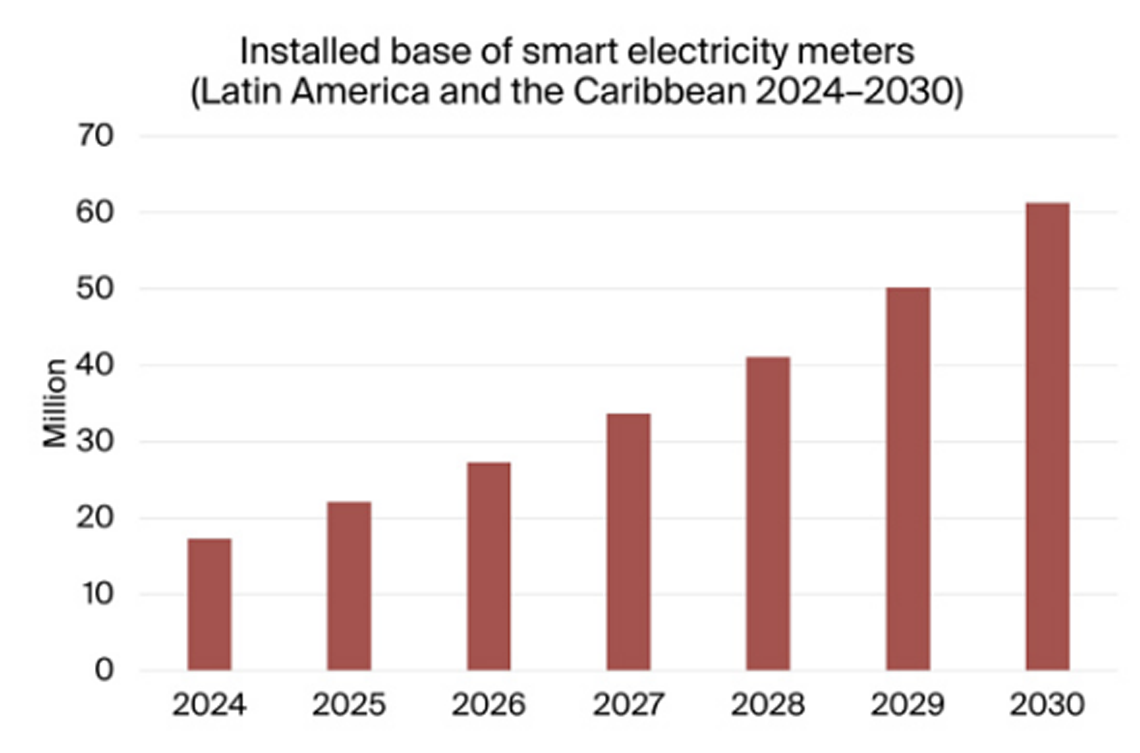
The installation of smart meters in Latin America and the Caribbean (LAC) is experiencing rapid growth. According to the latest report (updated January 2026) from authoritative sources such as Berg Insight, the region's smart meter penetration rate was approximately 9.7% in 2025, with an installed base of about 22.1 million units (or approximately 22.1 million units). It is projected that from 2025 to 2030, the compound annual growth rate (CAGR) will reach 22.7%, surging to 61.3 million units (61.3 million units) by the end of 2030, representing a nearly threefold increase.
Annual shipments are projected to grow from approximately 5.2 million units in 2025 to around 11.3 million units in 2030, making it one of the fastest-growing regions globally. Key drivers include reducing power losses (due to electricity theft and high levels of non-technical losses), improving billing accuracy, supporting renewable energy integration (such as solar/wind power), grid modernization, and mandatory promotion policies by governments in major countries like Brazil and Mexico.
Brazil:
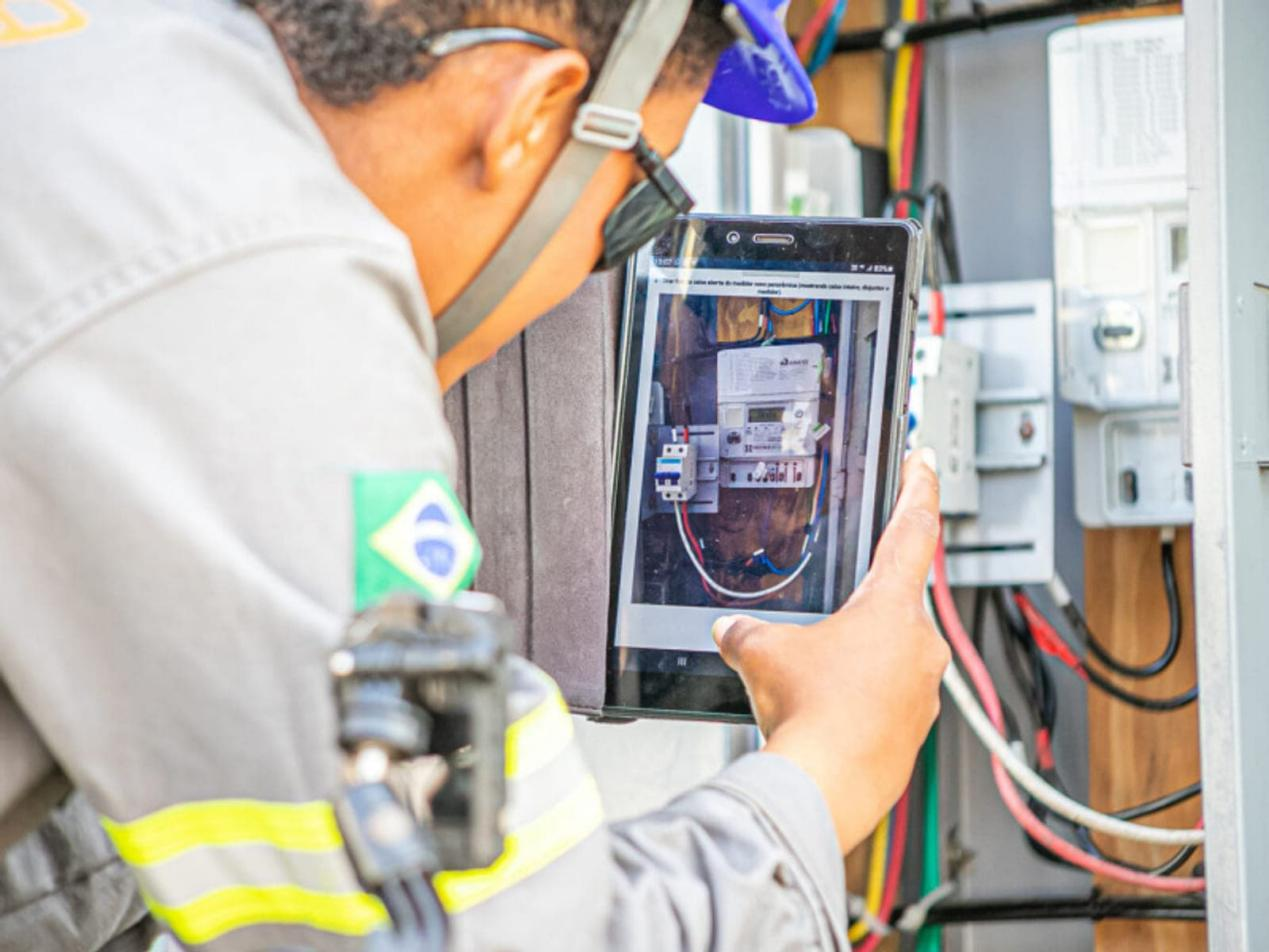
Brazil is the region's largest market, with a penetration rate of approximately 9.2% in 2025, projected to rise to 30.6% by 2030. Brazil and Mexico will contribute nearly 70% of annual shipments. The Brazilian government (MME) launched a public consultation in September 2025, planning to deploy 3.6 million smart meters nationwide (covering at least 4% of customers in the first year), requiring features such as two-way communication, remote disconnection, and fault detection. Companies like Eletrobras are integrating AI to upgrade the power grid. The Brazilian smart grid market is projected to grow from $1.58 billion in 2024 to over $5.8 billion by 2033.
Mexico:
The second largest contributor, with approximately 8 million units installed by mid-2023 (historical data), but recent penetration growth has been strong. Mexico and Brazil jointly lead shipments, focusing on reducing electricity theft and improving power outage management. Communication technologies primarily utilize PLC, RF, and cellular networks.
Other countries:
Pilot programs have been conducted in Chile, Colombia, and Argentina, but on a small scale. Penetration rates are low in the Caribbean, but the region as a whole benefits from regional trends.
Overall, LAC (Latin America and the Caribbean) is rapidly transforming from a low-penetration area into a hotspot for smart metering, with Brazil and Mexico leading the way. It is projected to contribute significant global growth over the next five years, supporting sustainable energy and efficiency improvements.