WhatsApp
Industry News

CT Meter vs Direct Meter

Views : 53
Update time : 2026-09-03 17:39:12
Electricity meters are at the heart of modern energy management. However, not every electrical installation requires the same type of meter. One of the most important decisions is whether to use a CT Meter (Current Transformer Meter) or a Direct Meter.
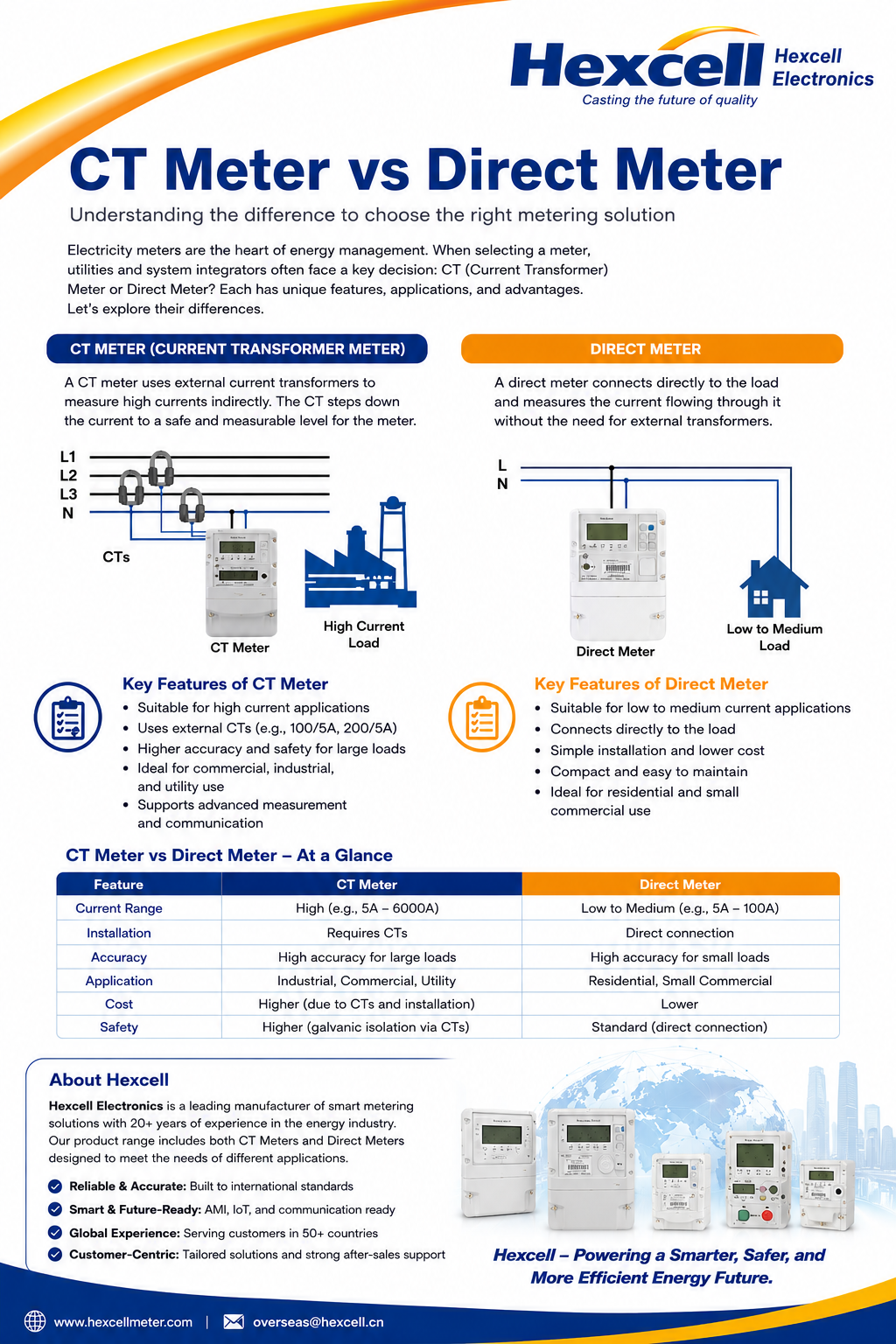
The key difference is simple: a Direct Meter measures current flowing directly through the meter, while a CT Meter measures current indirectly through external Current Transformers (CTs). The appropriate choice depends mainly on the load current, installation type, accuracy requirements, and overall system design.


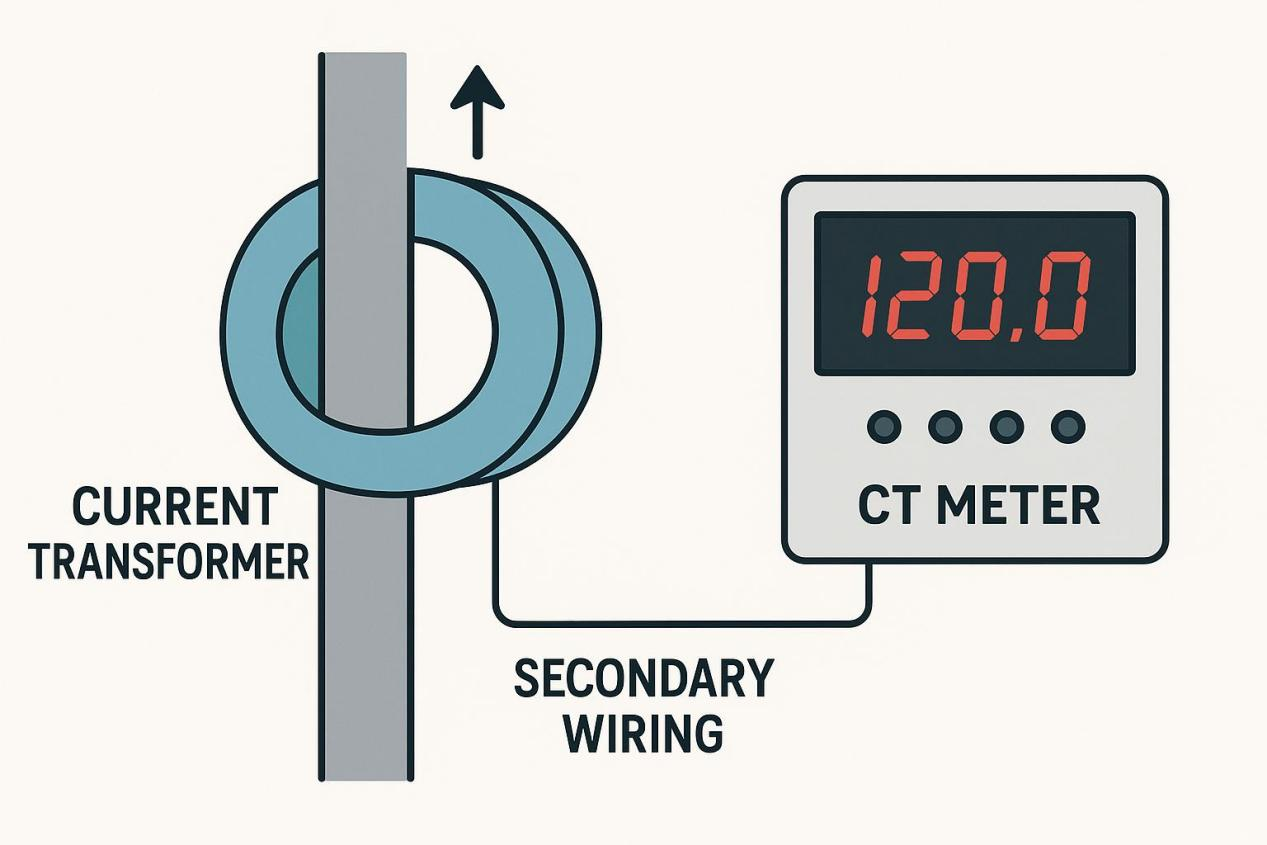
A CT Meter, also known as a Current Transformer-operated Meter, is designed to measure relatively high electrical currents that cannot safely pass directly through a conventional meter.
Instead of connecting the full load current to the meter, external CTs are installed around the conductors. The CT reduces the primary current to a standardized secondary current—commonly 5 A or 1 A—which is then measured by the meter.
A Direct Meter, also called a Direct-Connected Meter or Whole-Current Meter, connects directly to the electrical circuit.
The load current physically passes through the meter's current terminals, allowing the meter to measure voltage, current, power and energy without an external CT.
Because the system is relatively straightforward, direct meters are widely used for residential customers and smaller commercial loads.
So, what is the key difference?
Feature CT Meter Direct Meter
Measurement method Indirect measurement through CTs Direct measurement
Current range Suitable for high-current applications Suitable for low-to-medium currents
External CT Required Not required
Installation More complex Simpler
Meter cost Generally higher Generally lower
System cost Higher due to CTs and installation Lower
Typical application Industrial & large commercial Residential & small commercial
Maintenance CTs and wiring require inspection Relatively simple
Panel space More installation space required More compact
Scalability Excellent for high-current systems Limited by meter current rating
Important: There is no universal current threshold at which every project must change from direct to CT metering. The actual selection should be based on the meter's rated current, installation requirements, applicable standards and local utility specifications. Some direct meters are available around 100 A or higher, while CT-operated systems can accommodate much larger currents depending on the selected CT ratio.
Explore Hexcell Smart Meter Solutions


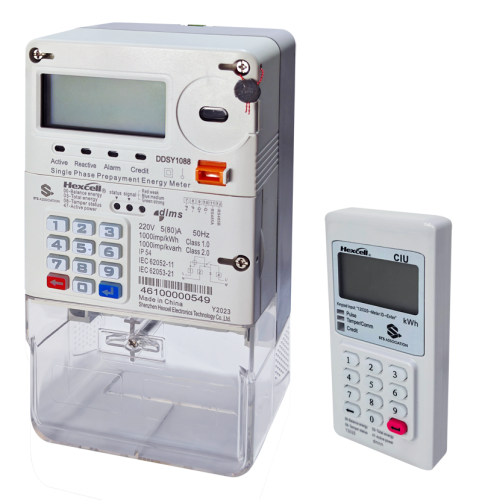
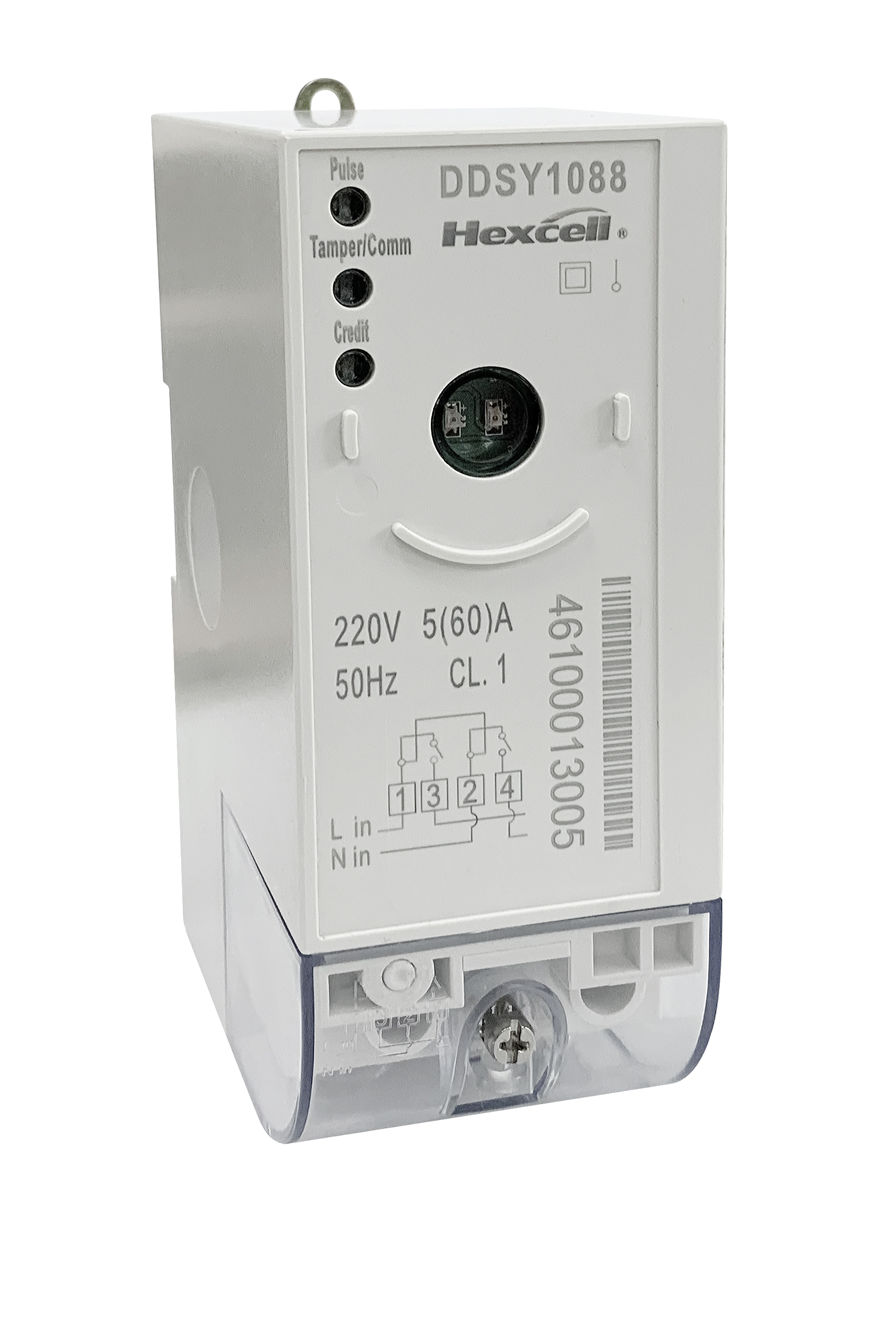
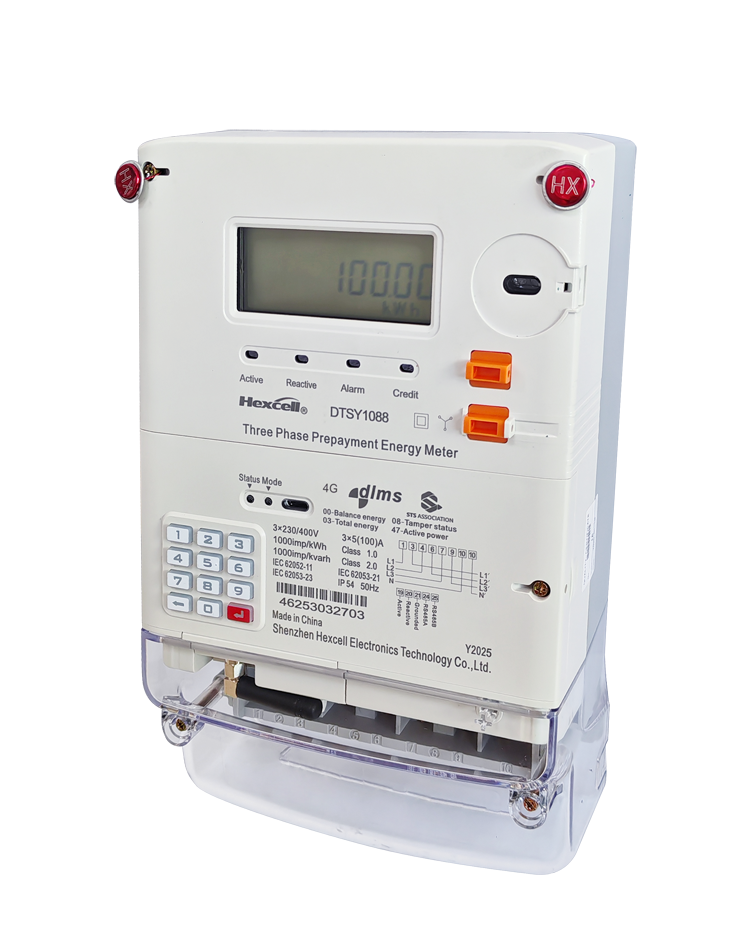
Hexcell's electricity-meter portfolio includes single-phase and three-phase meters, prepaid and postpaid meters, smart meters, CT-related applications and metering-system solutions, allowing different meter architectures to be selected according to the project requirements.
For a project involving residential customers, for example, a direct-connected prepaid or smart meter can provide a relatively straightforward solution.
For a factory, commercial building or high-current distribution system, a three-phase CT-connected meter can provide a more appropriate architecture.
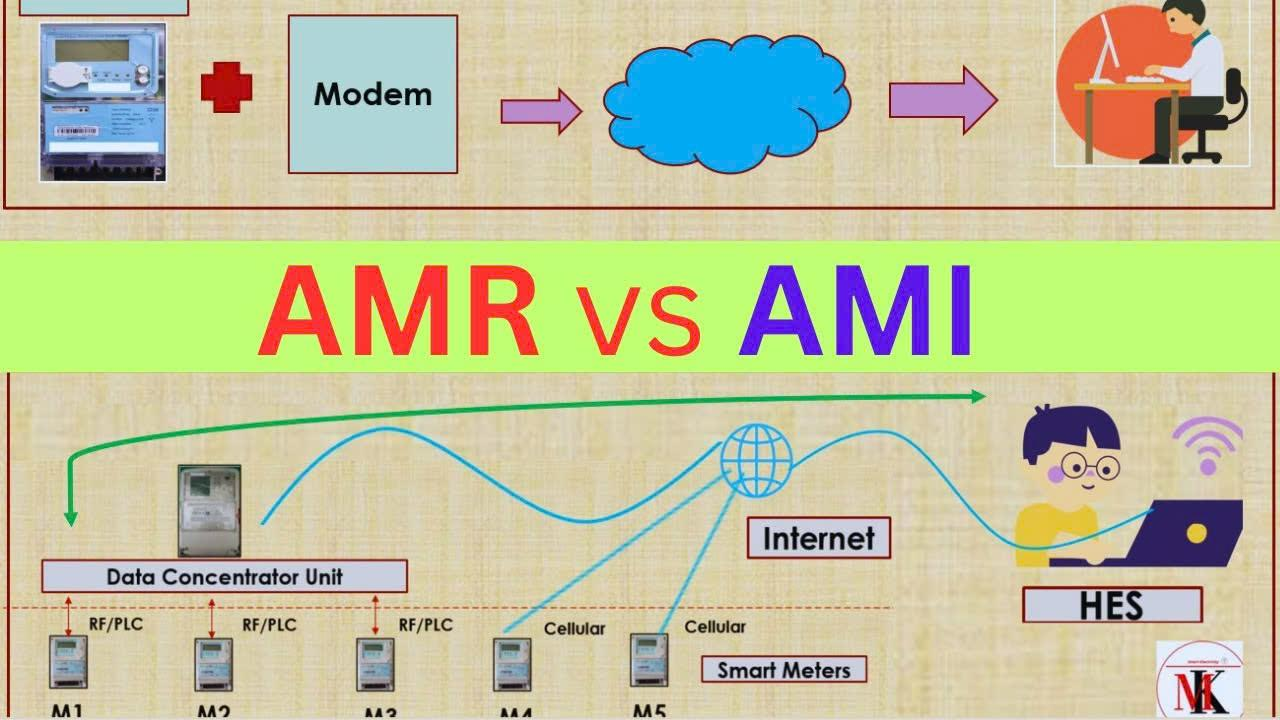
For large-scale deployments, Hexcell can also combine meters with AMI/AMR collecting systems, HES and prepaid vending systems, moving beyond individual meter supply toward an integrated metering solution.


Related News
Read More >>