As water and electricity utilities accelerate digital transformation, AMR (Automatic Meter Reading) and AMI (Advanced Metering Infrastructure) have become two important technologies for modern metering systems.
Although both technologies automate meter data collection, AMR and AMI are not the same. The fundamental difference is that AMR primarily focuses on automated meter reading, while AMI provides a more comprehensive infrastructure for two-way communication, frequent data collection, remote management, and advanced utility applications.
For utilities planning smart water or electricity meter projects, understanding the difference between AMR and AMI is essential when selecting meters, communication networks, HES/MDM platforms, and long-term system architecture.
What is AMR?
AMR is a metering technology that automatically collects consumption and meter-status information without requiring personnel to manually read the meter.
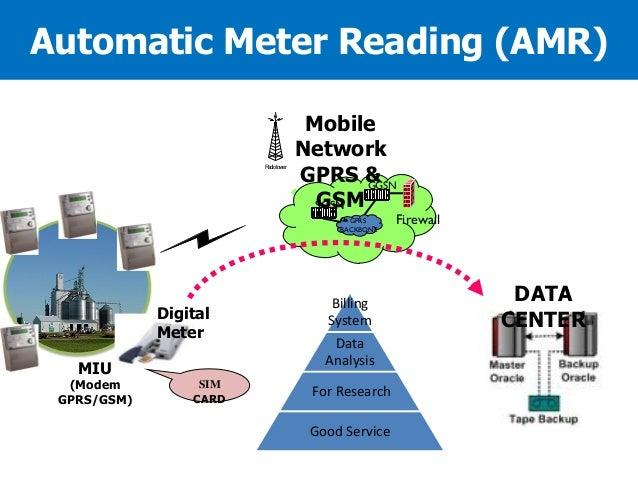
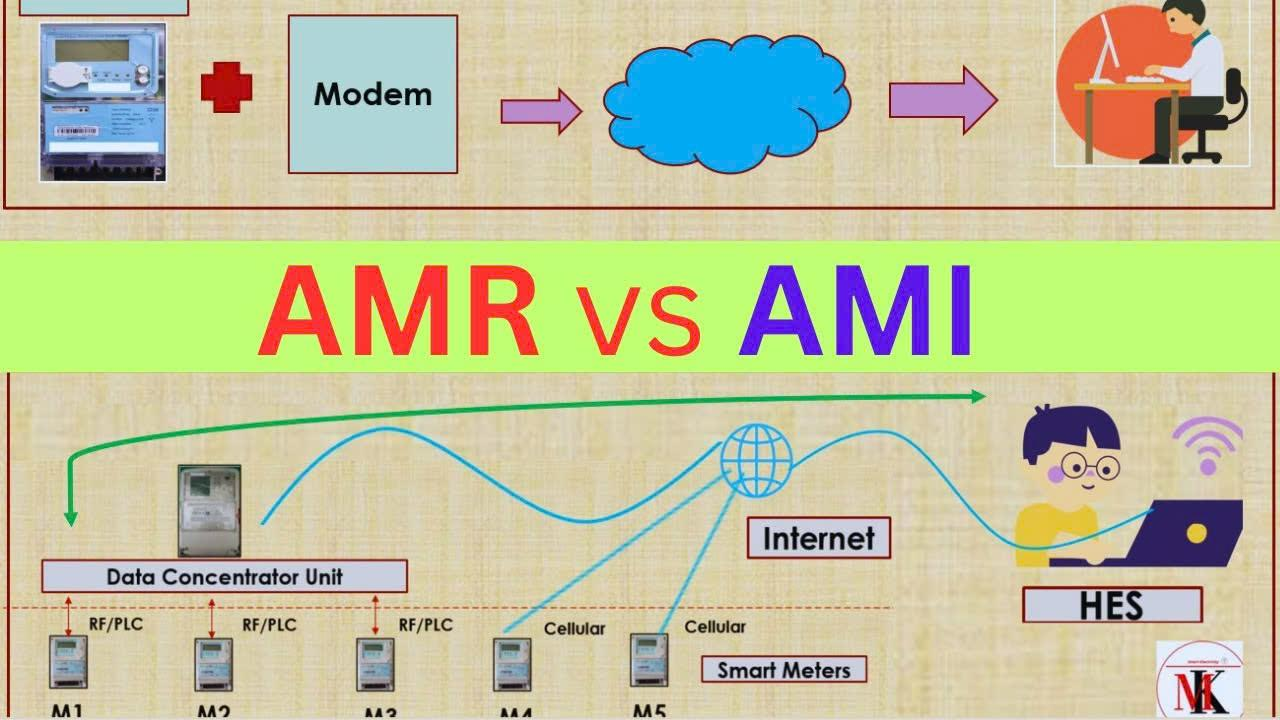
In a typical AMR system, a communication module or meter endpoint collects meter data and sends it to a nearby receiver, handheld device, vehicle-mounted collector, or fixed communication network.
A typical AMR process is: Smart Meter → Data Collection → Communication → Management System → Billing
AMR is primarily designed to solve one fundamental problem: How can utilities collect meter readings more efficiently without manually visiting every meter?
AMR can significantly reduce manual meter-reading work and improve the availability and accuracy of billing data. Depending on the system design, AMR can use technologies such as RF, GPRS/4G, LoRa, NB-IoT, PLC, or other communication methods.
However, traditional AMR implementations are generally characterized by one-way or primarily meter-to-system communication.
Typical AMR Applications:
· Automatic meter reading
· Reducing manual meter-reading costs
· Improving billing data accuracy
· Periodic consumption data collection
· Remote meter status monitoring
· Retrofitting existing metering infrastructure
For example, a water utility may deploy RF-enabled water meters and collect meter readings through drive-by or walk-by equipment. This can automate the reading process without requiring a complete fixed communication network.
What is AMI?
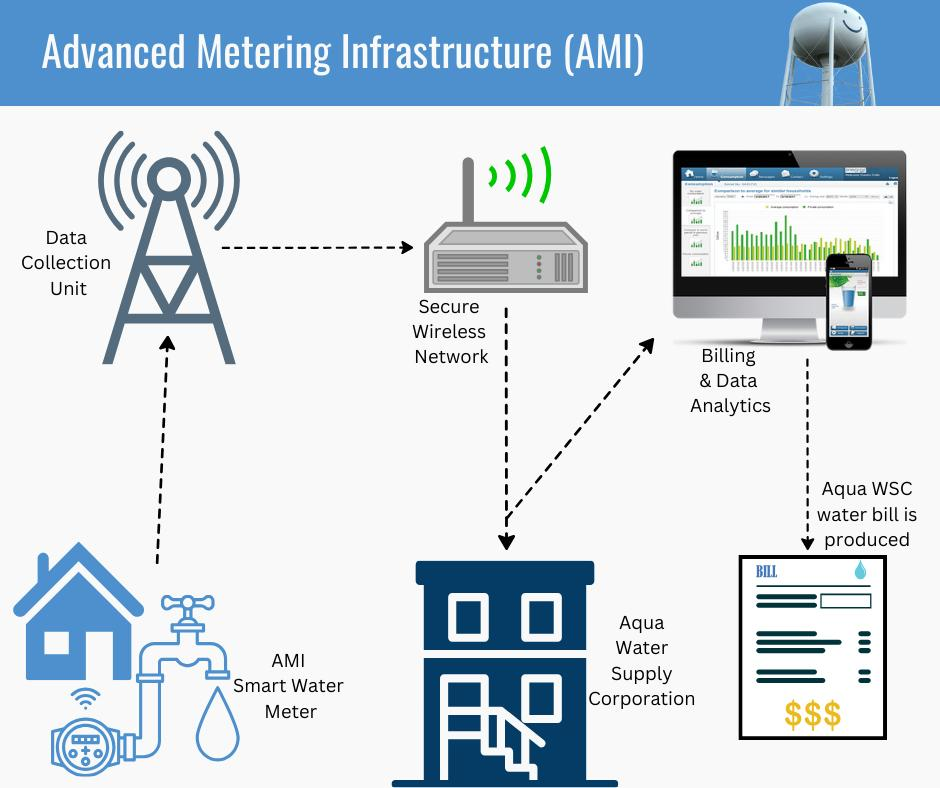
AMI is broader than AMR. It is not simply a communication function inside a smart meter; it is an integrated metering infrastructure combining meters, communication networks, head-end systems, meter data management, and utility applications.
A typical AMI architecture can be represented as: Smart Meter ↔ Communication Network ↔ HES ↔ MDM ↔ Billing / CIS / Utility Applications
Unlike a basic one-way AMR architecture, an AMI system can allow the utility system to communicate with field meters and, depending on the meter and system configuration, perform functions such as remote configuration, remote commands, event management, and other advanced operations.
The U.S. EPA notes that AMI enables utilities to collect water-use information more frequently and supports applications such as billing improvement, leak detection, and water-resource management.
AMR vs. AMI: The Key Difference
AMR focuses on automatically reading meters. AMI focuses on building a connected and intelligent metering infrastructure.
| Feature |
AMR |
AMI |
| Full name |
Automatic Meter Reading |
Advanced Metering Infrastructure |
| Primary purpose |
Automated meter reading |
Complete smart metering infrastructure |
| Communication |
Usually one-way |
Two-way |
| Data collection |
Periodic |
More frequent / near real-time |
| Remote configuration |
Limited |
Supported |
| Remote control |
Generally limited |
Supported in suitable systems |
| Leak detection |
Basic |
Advanced |
| Event/alarm management |
Limited |
Advanced |
| Network architecture |
Relatively simple |
Integrated and more complex |
| System investment |
Lower |
Higher |
| Data management |
Basic |
Advanced |
| HES integration |
Optional/limited |
Core component |
| MDM integration |
Limited |
Common |
| Billing integration |
Basic |
Advanced |
| Analytics |
Basic |
Advanced |
| Suitable for |
Meter-reading automation |
Digital utility management |
How Hexcell Supports AMR and AMI Projects?
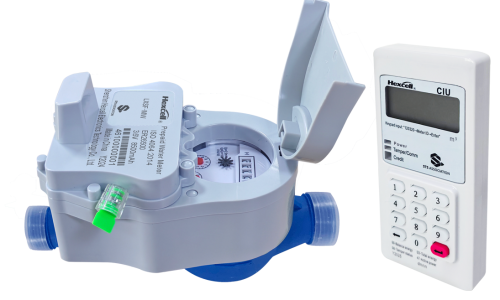
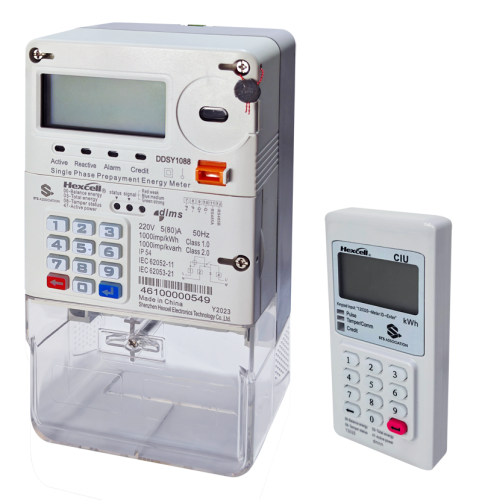
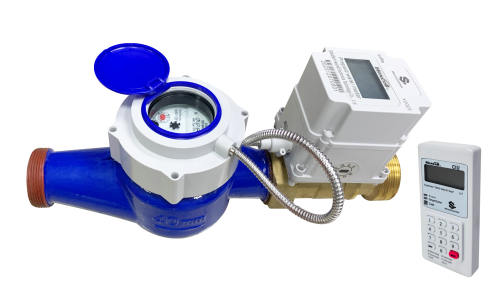
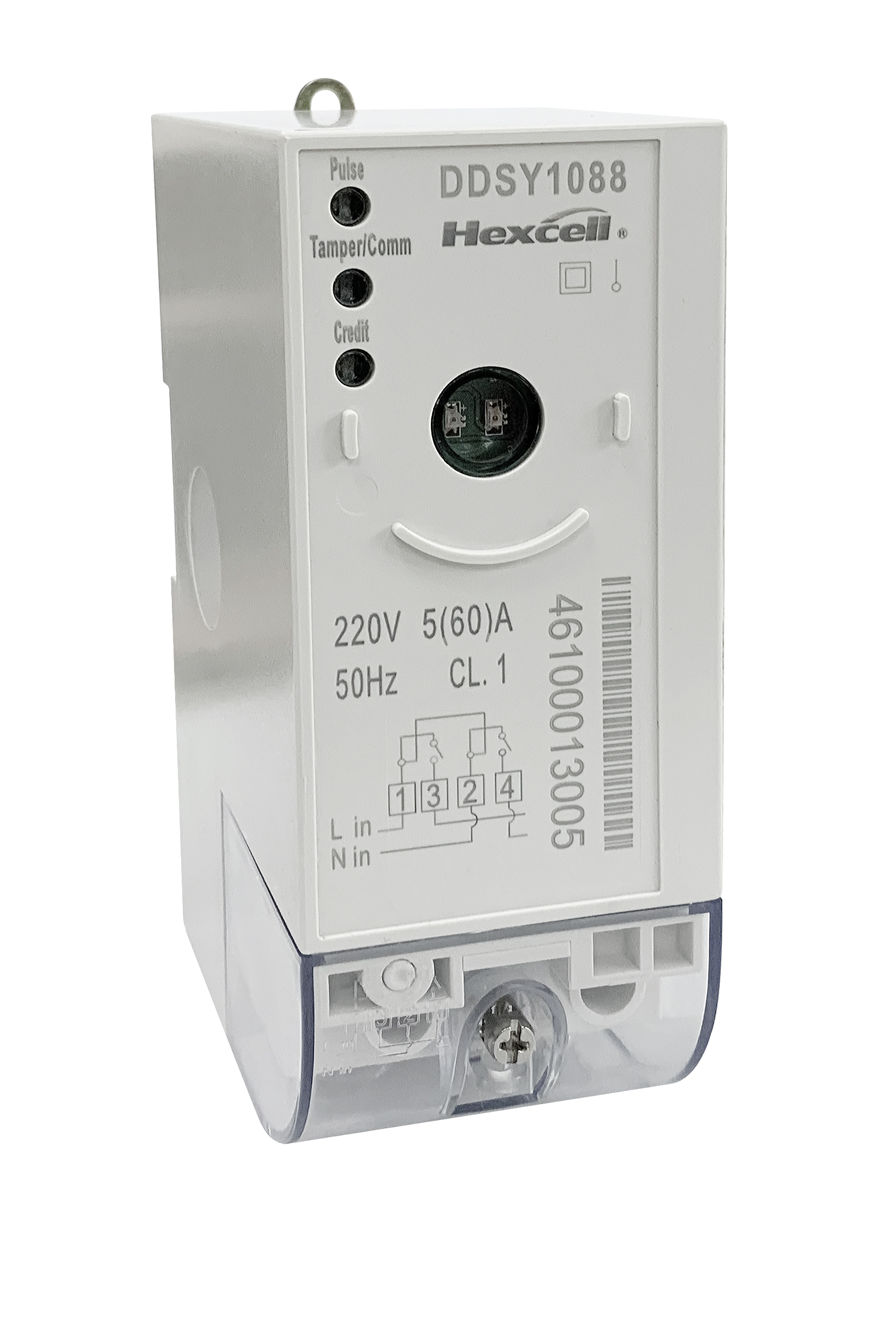
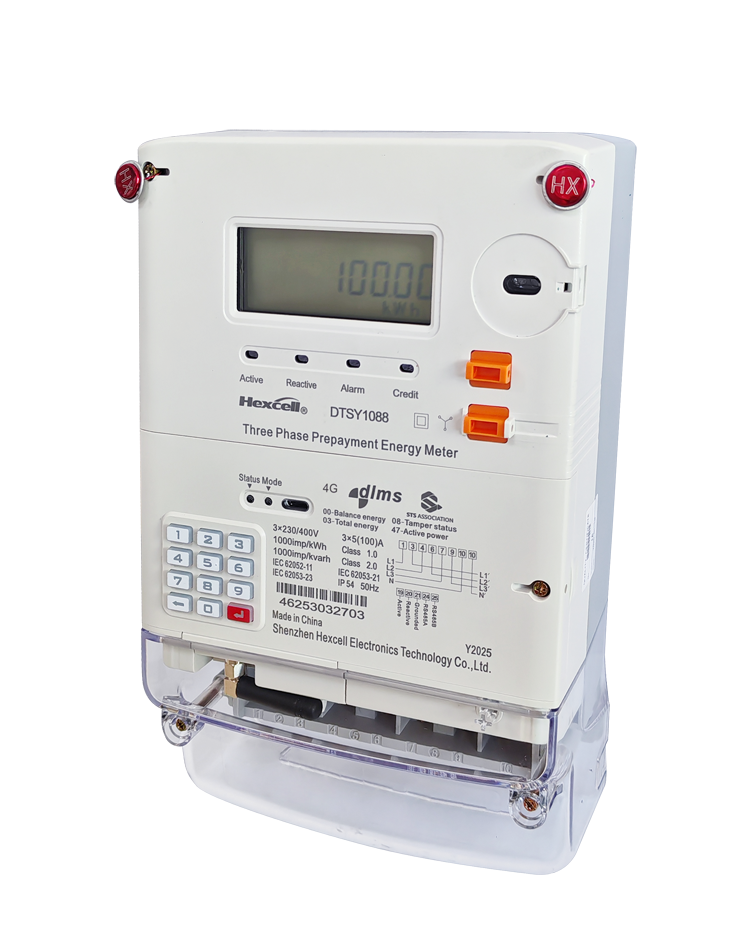
Hexcell has been developing electronic meters and AMR/AMI systems since 2003, and its product and system portfolio covers smart electricity meters, smart water meters, prepaid solutions and AMR/AMI infrastructure.
Hexcell's AMR/AMI approach focuses on combining: Smart Meter + Communication + HES + Data Management + Utility Applications
For water-metering projects, it can be adapted to different project requirements, including:
· Remote water meter reading
· Prepaid water metering
· RF communication
· NB-IoT communication
· 4G communication
· AMR systems
· AMI systems
· Centralized meter management
· Utility data management
This makes AMR and AMI not simply two different communication technologies, but two different levels of digital utility infrastructure.
For Hexcell, AMR and AMI represent different stages of smart utility digitalization. AMR focuses on automated meter reading, while AMI connects smart meters, communication networks, HES, data platforms, and utility applications to enable two-way communication, advanced data management, and intelligent operations. With experience in smart electricity and water metering, Hexcell provides integrated AMR/AMI solutions tailored to project requirements, including meter selection, communication technology, HES integration, system deployment, and long-term expansion. Whether starting with a cost-effective AMR solution or building a scalable AMI infrastructure, Hexcell helps utilities transform meter data into actionable insights and build more efficient, connected, and future-ready water and energy management systems.